Table of Contents
LiPo batteries swelling after being left unused for a while is something that happens far more often than most people expect. Many hobbyists, DIY builders, and even engineers have opened a drawer only to find a battery that’s suddenly puffy, soft, or sitting at a dangerously low voltage. If you’ve ever stored a LiPo for a few days—or a few months—and later discovered swelling, you’re definitely not the only one.
The good news is that long-term swelling is almost always preventable. This guide will walk you through the simple, practical steps that actually keep LiPos safe, stable, and healthy during storage.
Here’s what we’ll cover next: why LiPos swell over time, the ideal storage voltage, what you should avoid, and the reliable long-term storage habits that protect your batteries.
How to Prevent Lipo Battery Swelling?
LiPo batteries swelling after being left unused is a super common problem—but the fix is actually very straightforward. If you want to stop swelling before it ever starts, here’s the quick version of what you should always do:
• Store your LiPos at 3.7–3.85V, not full and not empty
• Disconnect the battery from all loads and chargers
• Keep it in a cool, dry place
• Check the voltage every 1–3 months and top up if needed
Do just these four things, and you’ll avoid almost all long-term swelling issues.
Why Do LiPo Batteries Swell?
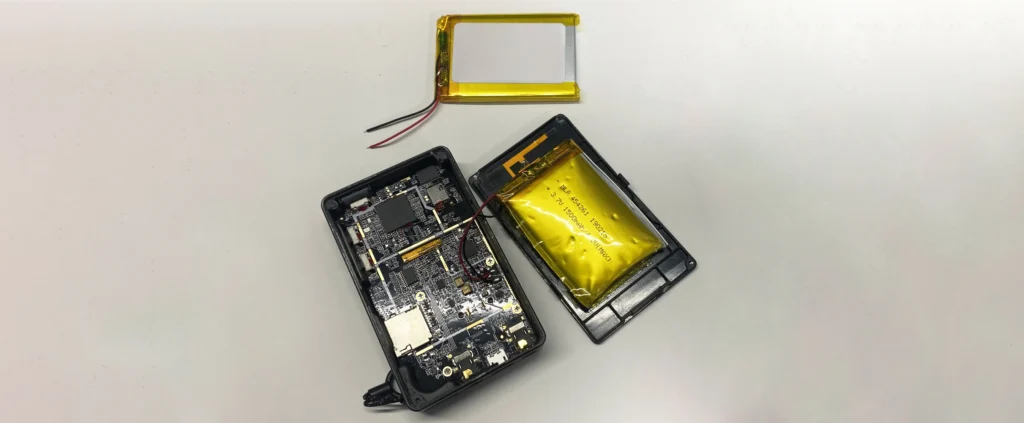
LiPo batteries puff up because of internal chemical and physical reactions that produce gas inside the cell. Swelling is essentially a warning sign that the battery is under stress. Here’s what happens:
- Electrolyte Decomposition
When a LiPo is overcharged, over-discharged, or exposed to high temperatures, the electrolyte inside can start breaking down. This decomposition releases gases like oxygen and carbon dioxide, which accumulate and push the flexible pouch outward. - Internal Short Circuits
Damage to the separator or misalignment of electrodes can cause small internal shorts. These generate heat and trigger chemical reactions, producing gas and causing the battery to swell. - High Current or Rapid Charging
Drawing too much current or charging too fast increases the temperature inside the cell, accelerating chemical breakdown and gas formation. - Aging and Poor Storage
Even without active misuse, LiPos degrade over time. Old cells or batteries stored improperly can develop tiny internal reactions that slowly produce gas, eventually leading to swelling.
Can a Deeply Discharged LiPo Be Recovered?
One of the first questions people ask when they find a swollen or deeply discharged LiPo is: “Can I save it?”
Here’s the honest answer: it depends—but in most cases, a deeply discharged LiPo is already damaged, and a swollen LiPo is completely done.
If the LiPo is swollen → it’s permanently unsafe
Swelling means the internal chemistry has already broken down and produced gas. Once that happens, the cell structure is damaged for good. Even if you somehow force it to charge again, it becomes a fire risk—so swollen LiPos should be retired immediately and recycled safely.
If the LiPo is below 3.0V → risky, but not always dead
A LiPo that has self-discharged to around 2.7–3.0V may still be recoverable if it is not swollen, but the capacity and lifespan will be permanently reduced. Once a cell drops this low, copper dissolution begins inside the battery, and that damage cannot be undone.
If the LiPo is below 2.5V → usually unrecoverable
At this level, internal chemical breakdown accelerates quickly. Even if you recharge it, the battery may heat up, puff, or lose capacity extremely fast. Most manufacturers consider 2.5V the point of no return.
So… should you try to revive it?
For hobby use, drones, robotics, or anything that draws high current, the answer is no. A revived LiPo may seem fine at first but fail under load—and failure can mean swelling, overheating, or fire.
If you absolutely must test it…
Only attempt a recovery when:
- the battery is not swollen
- it is just slightly below 3.0V
- you are using a charger with a true Li-ion pre-charge mode
- you can supervise it the entire time
But again: this is not recommended for inexperienced users.
Common Causes of Deep Discharge
Many LiPo batteries end up deeply discharged due to simple, avoidable mistakes. Knowing these pitfalls can help you protect your batteries:
- Leaving Batteries Unused for Too Long
Storing a fully charged or fully discharged LiPo for weeks or months without monitoring its voltage can let it slowly drop below safe levels. - Neglecting Regular Top-Ups
Even low self-discharge LiPos need occasional charging. Skipping this leads to gradual voltage decay and eventual deep discharge. - Using the Wrong Charger or Charging Method
Cheap or incompatible chargers may not cut off at the correct voltage, allowing cells to over-discharge or overcharge. - Draining Batteries Too Far During Use
Many users push their devices until the battery dies completely. LiPos should be recharged before reaching critically low voltage. - Exposing Batteries to High Heat or Cold
Extreme temperatures accelerate self-discharge and can damage cells, increasing the risk of deep discharge.
By avoiding these common mistakes, you can keep your LiPos healthy and prevent irreversible damage.
Long-Term Storage Best Practices
Proper storage is key to keeping your LiPo batteries healthy over weeks, months, or even years. Here’s how to manage different storage periods safely:
Short-Term Storage (Up to a Few Weeks)
- Keep the battery at 3.7–3.85V per cell.
- Disconnect from any device or charger.
- Store in a cool, dry place away from direct sunlight.
- Quick voltage check every 1–2 weeks is recommended.
Medium-Term Storage (A Few Months)
- Maintain the same storage voltage (3.7–3.85V).
- Use a dedicated LiPo storage bag or fireproof container for extra safety.
- Keep batteries in a stable environment, ideally between 15–25°C (59–77°F).
- Check voltage every 1–3 months and top up if it drops.
Long-Term Storage (Over a Year)
- Cold storage can help slow self-discharge—but avoid freezing. Refrigerator storage is fine if batteries are sealed in airtight, moisture-proof bags.
- Ensure batteries are not near water, condensation, or any metal objects.
- Perform a voltage check at least every 3–6 months and recharge to storage voltage if needed.
- Always store batteries separately to prevent accidental shorts.
Following these simple habits dramatically reduces the risk of swelling, deep discharge, and permanent battery damage.
How to Safely Dispose of Swollen LiPos?
Swollen LiPo batteries are no longer safe to use. Trying to charge or revive them can result in fire, leakage, or even explosion. Here’s the safe way to handle them:
- Do Not Use or Charge
- A swollen LiPo is permanently damaged. Never attempt to put it back into service.
- Discharge Safely (Optional)
- If it’s partially charged, you can slowly discharge it in a non-flammable container with sand or saltwater—but only if you’re experienced. Many hobbyists skip this step entirely and go straight to disposal.
- Use Fireproof Containers
- Place the battery in a dedicated LiPo storage bag or metal container to contain any accidental reaction.
- Recycle Properly
- Take the battery to a local battery recycling center, hazardous waste collection point, or a store that accepts LiPos for recycling.
- Never throw swollen LiPos in regular trash.
- Avoid Common Mistakes
- Don’t puncture or crush the battery.
- Don’t leave it near flammable materials.
- Handle carefully—swollen batteries can leak electrolyte, which is corrosive.
By following these disposal steps, you protect yourself, your workspace, and the environment from potential hazards.
Conclusion
LiPo battery swelling and deep discharge are problems that can happen to anyone, but they are almost always preventable with the right habits. By storing your batteries at the proper voltage, keeping them in a cool, dry place, checking them periodically, and avoiding common mistakes, you can significantly extend their lifespan and maintain safety.
Remember: a swollen or severely discharged LiPo is no longer safe to use. Proper disposal and cautious handling are essential to prevent accidents.
LanDazzle design and manufacture LiPo batteries with safety and stability in mind. Our batteries are rigorously tested to resist swelling, maintain long-term voltage, and deliver reliable performance for drones, robotics, and other high-demand applications. If you want peace of mind for your projects, consider exploring our custom LiPo battery solutions.
Email: info@landazzle.com
Whatsapp: +8618938252128