Table of Contents
In modern healthcare, reliability and precision are essential. From portable patient monitors and infusion pumps to wearable diagnostic sensors, medical devices rely on stable and safe power sources to perform effectively. Choosing the right battery is critical to ensure continuous operation, patient safety, and consistent device performance.
Advancements in battery technology have transformed how medical equipment is powered. While alkaline and NiMH batteries are still used in some cases, lithium-based batteries — especially lithium-ion and lithium polymer types — have become the preferred choice due to their high energy density, lightweight design, and strong reliability.
This article explores the main types of batteries used in medical devices, their key features, and how custom lithium battery solutions meet the demanding needs of modern healthcare technology.
Common Batteries Used in Medical Devices
1. Lithium-Ion Batteries
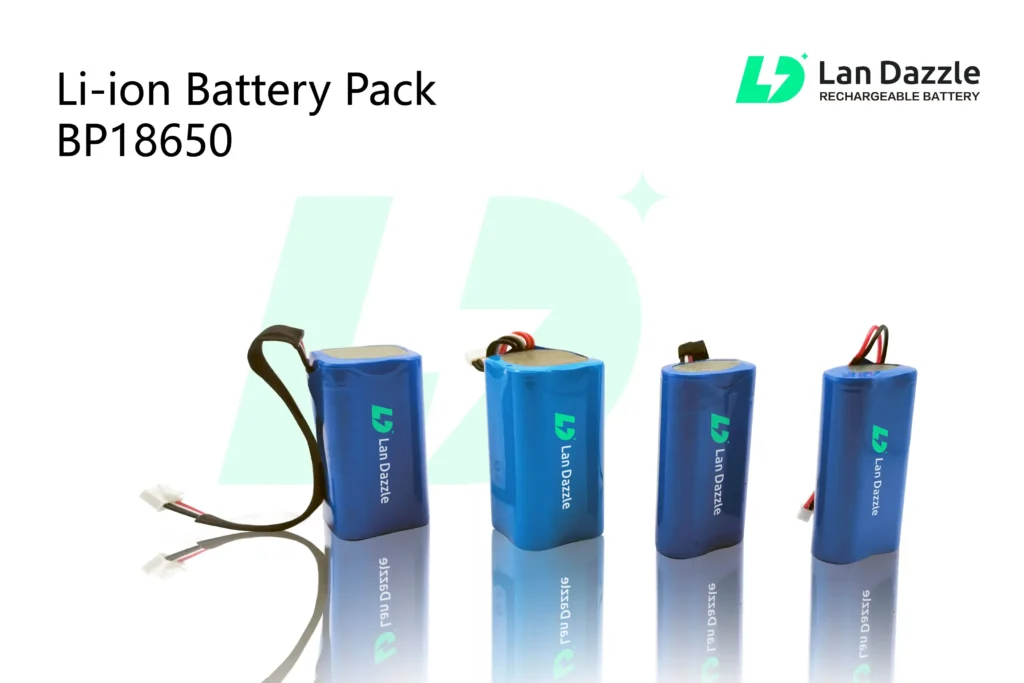
Li-ion batteries are one of the most widely used batteries for medical devices today. Known for their high energy density, lightweight design, and long cycle life, Li-ion batteries provide reliable, rechargeable power that supports continuous operation in critical healthcare equipment. In addition, lithium-ion chemistry offers excellent performance in both high and low temperatures, making it a versatile choice across different clinical environments.
For manufacturers seeking higher energy capacity and flexible integration, a custom lithium-ion battery pack can be designed to fit specific voltage, size, and performance requirements.
2. Lithium Polymer Batteries
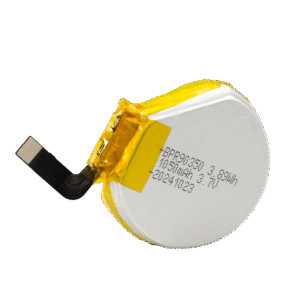
LiPo batteries are another popular option for modern medical technology, especially for compact and wearable applications. Compared to traditional Li-ion batteries, LiPo cells use a flexible polymer electrolyte, allowing for thin, lightweight, and customizable shapes.
This makes them ideal for wearable medical devices, hearing aids, and portable diagnostic tools where space is limited but performance cannot be compromised. LiPo batteries also provide stable voltage output and high discharge rates, ensuring consistent power delivery in sensitive medical electronics.
For companies developing next-generation medical solutions, custom LiPo batteries for medical devices offer design flexibility and excellent reliability while maintaining strict safety and regulatory compliance.

3. Alkaline Batteries
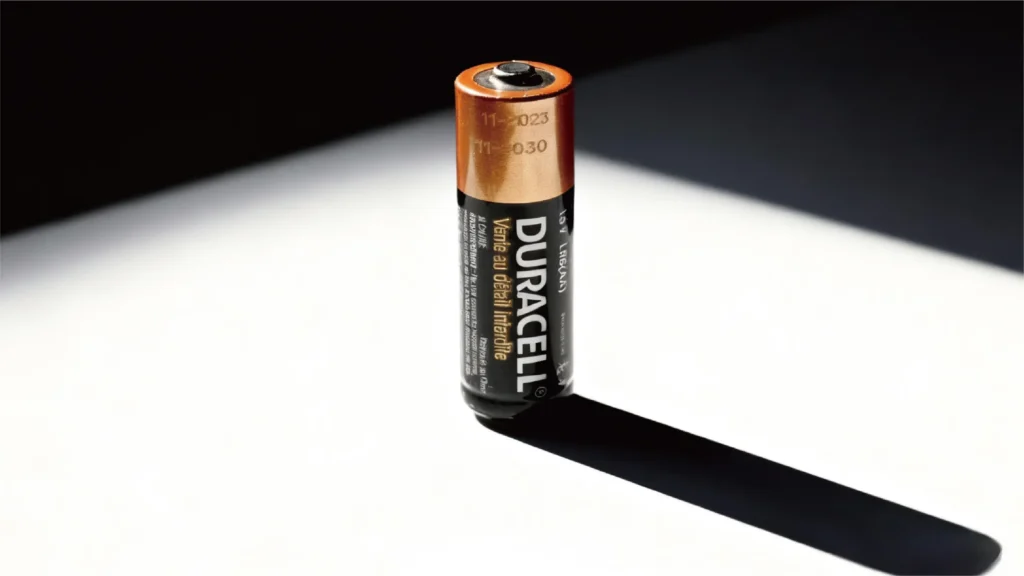
Alkaline batteries remain a practical choice for single-use medical devices that do not require recharging. They are inexpensive, widely available, and have a long shelf life, making them suitable for equipment such as thermometers, remote patient sensors, and disposable diagnostic tools.
However, compared to rechargeable lithium-based chemistries, alkaline batteries have lower energy density and shorter lifespan, which limits their use in advanced or long-term medical equipment. Still, for applications requiring simple, low-cost power, alkaline batteries remain an effective solution.
4. Nickel-Metal Hydride (NiMH) Batteries
Nimh batteries offer a reliable middle ground between traditional alkaline and lithium-based solutions. They are rechargeable, environmentally friendly, and have moderate energy density. NiMH batteries are often found in infusion pumps, portable ECG monitors, and medical imaging devices.
While NiMH batteries perform well under moderate power demands, they are bulkier and heavier than lithium-ion alternatives. As a result, many medical device manufacturers are now transitioning toward lithium-ion and lithium polymer batteries for improved energy efficiency and compact design.

5. Button Cell
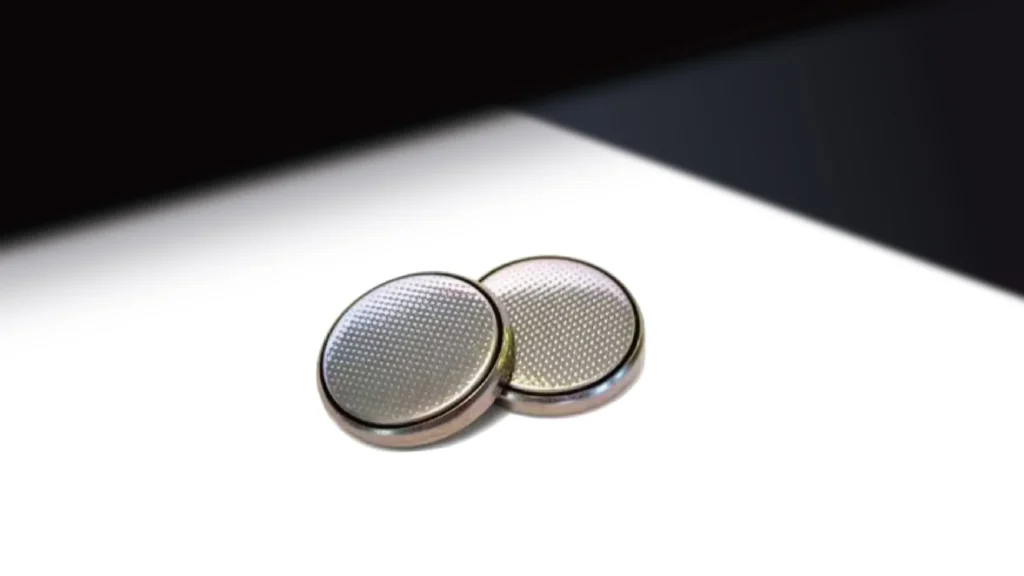
Button cell batteries—also known as coin cells—play a vital role in powering small and low-power medical devices. Despite their tiny size, these batteries deliver stable voltage and long-lasting energy, making them ideal for precision medical applications.
They are widely used in hearing aids, blood glucose meters, wearable health monitors, and even certain implantable medical sensors. Common chemistries include zinc-air, silver oxide, and lithium coin cell batteries, each chosen for its specific energy density, discharge stability, and safety profile.
Although most button cells are non-rechargeable, they remain essential in applications where compact size, reliability, and medical-grade safety are critical. Leading medical coin cell battery manufacturers often provide specialized sealing and material technologies to meet healthcare safety standards such as IEC 60086 and ISO 13485.
Why Lithium Batteries Dominate Modern Medical Devices?
As medical technology continues to advance, devices are becoming smaller, smarter, and more power-hungry than ever before. These innovations demand a power source that is lightweight, energy-efficient, and dependable under all operating conditions. This is why lithium batteries—including lithium-ion and lithium polymer chemistries—have become the dominant choice for modern medical devices.
1. High Energy Density and Compact Size
One of the key reasons lithium batteries for medical devices have become so popular is their high energy density. They can store more power in a smaller volume, enabling the miniaturization of advanced medical technologies.
2. Long Cycle Life and Rechargeability
Unlike single-use alkaline or silver oxide batteries, lithium-ion and lithium polymer batteries are rechargeable and offer a much longer cycle life. This reduces the need for frequent replacements, lowers maintenance costs, and ensures continuous availability. Many rechargeable batteries for medical equipment are now designed to withstand hundreds or even thousands of charge cycles while maintaining stable capacity.
3. Reliable Performance Across Temperature Ranges
Medical equipment is often used in varying environmental conditions—from hospital wards to outdoor emergency care. Lithium batteries deliver stable performance across a wide temperature range, offering reliable operation even in low- or high-temperature environments. Specialized low-temperature lithium battery can be customized for medical devices used in cold-chain transport or emergency response kits.
4. Safety and Compliance Standards
Safety is paramount in any medical application. Modern medical lithium batteries are designed with multiple protection layers, including overcharge, over-discharge, short-circuit, and temperature safeguards. Reputable manufacturers also ensure compliance with international safety standards such as UN38.3, IEC 62133, and ISO 13485, ensuring that every custom medical battery meets strict healthcare requirements.
5. Flexible Customization for Medical Applications
Another major advantage of lithium-based chemistries is the ability to customize battery size, shape, capacity, and voltage. Whether for an implantable sensor, portable imaging system, or surgical hand tool, custom lithium-ion and LiPo batteries for medical devices can be precisely engineered to fit unique design specifications. This flexibility helps device manufacturers achieve optimal balance between form factor, energy output, and safety standards.
6. Environmentally Friendly and Efficient
Lithium batteries are not only efficient but also more environmentally friendly than older chemistries. They have lower self-discharge rates, fewer toxic materials, and longer lifespans, which reduces waste. For medical manufacturers focused on sustainability, rechargeable lithium battery solutions represent a more eco-conscious power option.
Lithium Battery Applications in Medical Devices
1. Portable Monitors
Portable medical monitors—such as ECG, blood pressure, and oxygen saturation monitors—require lightweight and reliable power sources for continuous operation. Lithium-ion and lithium polymer batteries are ideal for these devices, offering high energy density and stable voltage over long usage periods. Their rechargeable nature reduces maintenance costs and improves the overall efficiency of patient monitoring systems.
2. Infusion Pumps
Infusion pumps must operate accurately and consistently to deliver controlled doses of medication or nutrients. These devices depend on rechargeable lithium batteries for medical equipment that provide steady output and long runtime. Custom-designed Li-ion or LiPo battery packs help ensure precise performance and minimize the risk of power interruptions during treatment.
3. Hearing Aids
Hearing aids are one of the most common battery-powered medical devices, traditionally using zinc-air or silver oxide button cells. However, with the rise of rechargeable models, miniature lithium polymer batteries are now being adopted for better convenience, energy efficiency, and user experience. These small, lightweight batteries allow for compact designs without compromising sound performance or battery life.
4. Wearable Health Devices
The expansion of digital healthcare has led to a surge in wearable health devices—from smart patches and glucose monitors to portable ECG trackers. These compact products require thin, flexible lithium polymer batteries that are safe, durable, and capable of maintaining performance under continuous use. Many manufacturers now turn to custom LiPo batteries for wearable medical devices to achieve a perfect fit and optimal energy efficiency.
Key Considerations When Choosing a Medical Battery
1. Safety and Certification
Safety is the top priority in any medical application. A medical-grade battery must include multiple protection layers—such as overcharge, short-circuit, and thermal control systems—and comply with international certifications like IEC 62133, UN38.3, and ISO 13485. Choosing a trusted supplier that understands medical compliance is essential for patient safety and regulatory approval.
2. Temperature Performance
Medical devices are often used in diverse environments, from hospital rooms to outdoor emergencies. Batteries must operate reliably across a wide temperature range to ensure consistent performance. Specialized low-temperature lithium batteries are available for devices used in cold conditions, such as medical transport or field diagnostics.
3. Cycle Life and Reliability
A long battery cycle life reduces maintenance and replacement frequency, which is critical for healthcare operations. Rechargeable lithium-ion and lithium polymer batteries typically offer hundreds to thousands of charge cycles with minimal capacity degradation. High reliability ensures that the medical device can perform accurately even after long-term use.
4. Custom Shaped and Sizes
Every medical device has unique design and space constraints. Custom medical battery packs can be engineered to fit specific dimensions, voltages, and energy requirements while maintaining compliance and safety. This level of customization is especially important for wearable devices, implantable sensors, and miniaturized diagnostic tools that demand both compactness and high performance.
Custom Battery Solutions for Medical Devices
Every medical device has its own unique power requirements. From portable monitors to surgical tools, there is no one-size-fits-all battery solution. That’s why custom medical battery packs have become essential for device manufacturers aiming to achieve maximum performance, safety, and reliability.
At LanDazzle, we specialize in designing and manufacturing custom lithium battery solutions for a wide range of medical applications. Our engineering team works closely with clients to develop batteries that perfectly align with the device’s energy, size, and safety needs.
1. Tailored Design and Engineering
LanDazzle offers complete customization. Our experts analyze each device’s power profile, operating temperature, and form factor constraints to create custom LiPo batteries or Li-ion battery packs optimized for medical-grade reliability and efficiency.
We can also design ultra-thin, curved, or irregular-shaped batteries to fit compact and wearable medical devices, ensuring seamless integration without compromising energy density or safety.
2. Strict Quality and Safety Standards
All medical lithium batteries produced by LanDazzle undergo rigorous testing and certification processes. Our products comply with international safety and performance standards, including:
- IEC 62133
- UN38.3
- MSDS
- ISO 13485 (medical device quality management)
3. Advanced Features for Modern Medical Devices
Our custom medical battery can include advanced features such as:
- Smart BMS (Battery Management System) for precise monitoring
- Overcharge, over-discharge, and short-circuit protection
- High and low temperature resilience
- Extended cycle life for long-term usage
These features make our batteries ideal for portable diagnostic tools, surgical instruments, wearable sensors, and life-support systems that demand consistent and safe power delivery.
4. Partnering with LanDazzle
By partnering with Lan Dazzle, medical device manufacturers gain access to a team of experienced battery engineers who understand the complexity of healthcare applications. From the concept phase to mass production, we provide end-to-end support — including design verification, prototyping, testing, and certification assistance.
Our mission is simple: to deliver customized lithium battery solutions that power innovation and improve lives. With our proven expertise and commitment to quality, LanDazzle has become a trusted medical battery manufacturer for global healthcare brands.
Conclusion
As medical technology advances, reliable and compact power sources are essential for devices like monitors, infusion pumps, hearing aids, and wearables. Among all options, lithium-ion and lithium polymer batteries stand out for their high energy density, long life, and design flexibility, making them the top choice for modern medical equipment.
Selecting the right battery involves balancing safety, temperature performance, and custom design needs to meet each device’s requirements.
LanDazzle provide custom lithium battery solutions for medical devices, ensuring every product delivers safety, reliability, and high performance. Whether for small wearable sensors or portable medical equipment, our expert team designs batteries that power innovation in healthcare.
Email: info@landazzle.com
Whatsapp: +8618938252128
Related Articles: