Table of Contents
What is a Silicon Carbon Battery?
A silicon carbon battery is an advanced lithium-ion battery that uses a silicon–carbon composite anode instead of a traditional graphite one. This combination increases energy density and enables faster charging. While pure silicon offers up to ten times more capacity than graphite, it tends to expand during charging. By blending silicon with carbon, engineers create a stable structure that reduces swelling and improves conductivity.
As a result, silicon carbon batteries deliver longer runtime, higher power output, and better performance for applications like electric vehicles, smartphones, and energy storage systems.

Silicon Carbon Battery vs Lithium-ion Battery
The silicon carbon battery is often seen as an upgraded version of the traditional lithium-ion battery, offering higher energy density and improved fast-charging capability. However, both technologies have their strengths and ideal use cases.
| Feature | Silicon Carbon Battery | Traditional Lithium-ion Battery |
|---|---|---|
| Energy Density | Higher (up to 20–40% increase) | Moderate (limited by graphite anode) |
| Cycle Life | Improving, typically 500–1000 cycles | Mature, 1000–2000 cycles |
| Charging Speed | Faster due to better conductivity | Standard charging rate |
| Safety | More stable temperature performance | Well-established safety but heat-sensitive |
| Cost | Currently higher due to new materials | Lower and mass-produced |
| Best Applications | EVs, smartphones, drones, energy storage | Consumer electronics, e-bikes, power tools |
In summary, silicon carbon batteries deliver greater energy density and faster charging, making them ideal for applications that require compact size and high power output. Meanwhile, lithium-ion batteries remain more cost-effective and widely available, which makes them suitable for mainstream consumer products and devices.
How Does Silicon Carbon Battery Work?
A silicon carbon battery works on the same basic principle as a lithium-ion battery—by moving lithium ions between the anode and cathode during charging and discharging. The key difference lies in the anode material. Instead of using pure graphite, it adopts a silicon–carbon composite anode.
During charging, lithium ions are stored within the silicon-carbon structure. Silicon can host a much larger number of lithium ions, increasing the battery’s energy density. However, silicon tends to expand during this process. The carbon layer acts as a buffer, improving conductivity and minimizing volume expansion, which helps maintain structural integrity and extends cycle life.
In short, the silicon–carbon anode combines the high capacity of silicon with the stability of carbon, resulting in a battery that’s denser, faster-charging, and more durable than traditional lithium-ion cells.
Advantages and Disadvantages of Silicon Carbon Batteries
Like any advanced technology, silicon carbon batteries come with both benefits and limitations.
✅Advantages:
- Higher energy density: The silicon–carbon anode stores more lithium ions, providing longer runtime and higher power output.
- Faster charging: Improved conductivity allows for quicker energy transfer.
- Better temperature resistance: Silicon carbon cells perform more reliably under high or low temperatures, making them suitable for EVs and outdoor devices.
❌Disadvantages:
- Volume expansion: Silicon tends to swell during charging, which can affect battery stability.
- Higher cost: The materials and manufacturing processes are more expensive than traditional lithium-ion cells.
- Complex production: Ensuring uniform silicon–carbon mixing and long cycle life remains a technical challenge.
Despite these issues, ongoing innovations continue to enhance the stability and affordability of silicon carbon batteries.
Applications of Silicon Carbon Battery
Silicon carbon batteries are increasingly being adopted across a wide range of industries due to their high energy density, fast charging, and durability.
- Smartphones: Cutting-edge devices, including models like the Xiaomi 14 and Tesla’s smartphone prototypes, benefit from longer battery life and faster charging provided by silicon carbon cells.
- Electric Vehicles (EVs): EV manufacturers are exploring silicon carbon anodes to increase driving range without enlarging battery size.
- Energy Storage Systems (ESS): For renewable energy storage, silicon carbon batteries offer higher capacity and stable long-term performance.
- Drones & Robotics: Compact and lightweight batteries enable longer flight times and higher power output for drones and robotic systems.
- Wearable Devices: Fitness trackers, smartwatches, and medical monitoring devices require small but powerful batteries, making silicon carbon an ideal choice.
These applications highlight the versatility of silicon carbon batteries, making them a key technology for both consumer electronics and industrial energy solutions.
What is the Energy Density of Silicon Carbon Batteries?
One of the most significant advantages of silicon carbon batteries is their high energy density compared to traditional lithium-ion batteries. By replacing the graphite anode with a silicon-carbon composite, these batteries can store more lithium ions per unit of weight, allowing devices to operate longer without increasing battery size.
Key Points:
- Higher Capacity:
- Graphite anodes typically have a theoretical capacity of ~372 mAh/g, whereas silicon anodes can reach ~4,200 mAh/g.
- Silicon-carbon composites balance high capacity with structural stability, leading to a 10–20% increase in overall energy density for commercially available cells.
- Lightweight Design:
- Higher energy density allows manufacturers to produce smaller, lighter batteries for the same capacity, making them ideal for smartphones, wearables, EVs, and drones.
- Real-World Performance:
- Most current silicon carbon batteries achieve 250–300 Wh/kg, compared to ~200–260 Wh/kg for standard lithium-ion batteries.
- This translates into longer usage times, faster charging cycles, and more compact designs.
What is the Lifespan of Silicon Carbon Battery?
The lifespan of a silicon carbon battery largely depends on the silicon content in the anode, usage conditions, and charging protocols. While silicon can dramatically increase energy density, it also undergoes significant volume changes during charging and discharging, which can cause the anode to expand and contract. Over time, this mechanical stress may lead to capacity loss.
- Most commercially available silicon carbon batteries with a moderate silicon content (~10–20%) can achieve 500–1,000 full charge-discharge cycles while retaining around 80% of their initial capacity.
- Batteries with higher silicon content can offer higher energy density but often experience faster capacity degradation, reducing their usable lifespan.
Factors Affecting Lifespan:
- Charge/Discharge Rates: Fast charging or deep discharges can accelerate capacity loss.
- Operating Temperature: Extreme heat or cold can reduce cycle life, though silicon carbon anodes often perform slightly better at lower temperatures compared to pure graphite.
- Battery Management System (BMS): Proper monitoring of voltage, current, and temperature helps prolong battery life.
Is Silicon Carbon Battery Better Than Lithium-ion?
Silicon carbon batteries are generally considered an upgrade over traditional lithium-ion batteries. They offer higher energy density, faster charging, and improved durability, making them more efficient and powerful.
However, they are still in the early stages of development. Challenges such as volume expansion, higher cost, and complex manufacturing mean that while silicon carbon technology has clear advantages, lithium-ion batteries remain the more mature and widely used option today.
In short, silicon carbon batteries have the potential to surpass lithium-ion in performance, but widespread adoption will grow gradually as production technology advances and costs decrease.
Are Silicon Carbon Batteries Safe?
Silicon carbon batteries are generally considered safe, but their safety depends on design, materials, and usage conditions. Compared to traditional lithium-ion batteries, silicon carbon anodes introduce higher energy density, which can increase the risk if the battery is misused or poorly manufactured.
Safety Considerations:
- Thermal Stability:
- Silicon carbon anodes expand during charging, which generates internal stress.
- Advanced composite designs mitigate this, maintaining thermal stability and reducing the risk of overheating.
- Battery Management System (BMS):
- Proper BMS monitoring of voltage, current, and temperature is essential to prevent overcharging, over-discharging, or short circuits.
- Mechanical Stress:
- High silicon content can lead to volume expansion, potentially causing structural stress in the battery. Manufacturers balance silicon levels to maintain safety while improving energy density.
- Safety Standards:
- Commercial silicon carbon batteries undergo rigorous safety testing, including short-circuit, overcharge, and thermal abuse tests, similar to standard lithium-ion batteries.
The Future of Silicon Carbon Battery Technology
The future of silicon carbon batteries is promising, as they continue to evolve and overcome current limitations. Researchers are exploring hybrid solid-state silicon carbon batteries, combining the high energy density of silicon-carbon anodes with the safety and stability of solid electrolytes. This could further enhance performance and safety for electric vehicles, consumer electronics, and energy storage systems.
As production techniques improve and scale up, the cost of silicon carbon batteries is expected to decrease, making them more accessible for mainstream applications. Industry forecasts suggest that by 2030, silicon carbon anodes could become the dominant technology, gradually replacing traditional graphite in lithium-ion batteries.
With ongoing innovation, silicon carbon batteries are poised to set new standards for energy density, charging speed, and durability, solidifying their role as a key technology in the next generation of high-performance batteries.
Custom Silicon Carbon Battery Solutions from LanDazzle
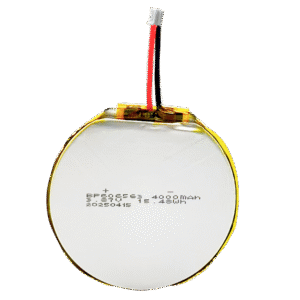
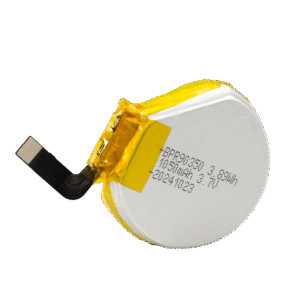
LanDazzle specializes in custom LiPo battery solutions for clients who need batteries tailored to specific devices and applications. While our focus is on high-quality lithium polymer batteries, some customers require higher energy capacity in a compact space. In this case, we apply silicon-carbon anode technology to enhance battery density without increasing size.
This approach allows us to deliver smaller, more powerful batteries that maintain the flexibility, safety, and reliability of traditional LiPo cells. Our custom solutions can be tailored for drones, wearable devices, portable electronics, and other compact applications, providing the exact voltage, capacity, and form factor each client needs.
Contact us today to explore how our advanced battery engineering can bring longer runtime and faster charging to your smartphones, wearables, drones, and more.
Email: info@landazzle.com
Whatsapp: +8618938252128
By combining advanced materials with precise LiPo battery engineering, LanDazzle ensures that even in limited space, your devices can achieve longer runtime and higher performance.

Conclusion
Silicon carbon battery technology represents a significant step forward in the evolution of lithium-based energy storage. By combining the high energy density of silicon with the stability of carbon, it offers a powerful path toward lighter, longer-lasting batteries for the next generation of devices.
While challenges such as cost and large-scale production remain, its potential in compact, high-capacity applications is undeniable. LanDazzle is committed to integrating advanced materials like silicon-carbon anodes into our custom LiPo battery solutions, helping clients achieve higher performance without compromising space or safety.
As innovation continues, silicon carbon batteries are poised to play a key role in shaping the future of portable power.
Related Articles:
Silicon Carbon Battery vs Lithium ion: Which Is Better for Smartphones?