Table of Contents
What is a High Voltage Battery?
A high voltage battery is a type of rechargeable battery designed to operate at voltages significantly higher than standard low-voltage batteries. The main advantage of high voltage batteries is their ability to deliver more power with fewer cells, improving efficiency, reducing weight, and allowing more compact designs.
High voltage batteries can be divided into two main categories.
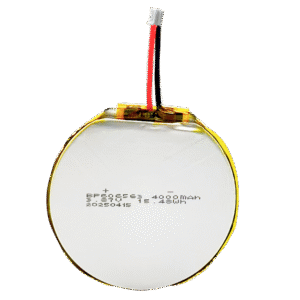
Single high-voltage battery cells are individual battery units with higher voltages, often found in rechargeable lithium-ion batteries—commonly referred to in the industry as “LiHv.” The typical nominal voltage of a standard cell is 3.7V, with a full charge voltage of 4.2V. High-voltage variants can have nominal voltages of 3.8V, 3.85V, or 3.95V, with full charge voltages reaching 4.35V, 4.4V, or even 4.45V. These cells are commonly used in small devices, power tools, and as building blocks for larger battery packs, offering high energy density in a compact form.
Series-Connected high voltage battery packs are formed by linking multiple high-voltage cells in series to achieve higher voltages suitable for demanding applications. Their voltage range typically spans 12V up to 100V or more, depending on the number of cells and design requirements. These packs are commonly used in solar energy storage systems, electric vehicles, industrial robots, and other systems requiring high power output. Series-connected packs allow scalable voltage and capacity to meet specific performance needs, making them ideal for large-scale and high-power applications.
Key Differences Between High Voltage Battery and Low Voltage Battery
| Feature | High Voltage Battery | Low Voltage Battery |
|---|---|---|
| Energy Density | Higher energy density; ideal for applications requiring a lot of power in a compact form. | Lower energy density; suitable for devices with minimal power needs. |
| Efficiency | More efficient due to lower current requirements, reducing energy loss. | Less efficient but simpler to manage and operate. |
| Safety | Requires additional safety measures due to higher risk of electric shock and thermal hazards. | Generally safer and easier to handle, with fewer risks. |
| Cost | Higher cost, reflecting advanced materials and technology. | More cost-effective, suitable for budget-conscious applications. |
| Charging Speed | Faster charging, ideal for applications needing quick energy turnaround. | Slower charging, adequate for less urgent power requirements. |
| Application | High-power applications like electric vehicles, industrial machinery, and large-scale energy storage systems. | Low-power applications like consumer electronics, medical devices, and portable tools. |
| Maintenance | More complex maintenance due to sophisticated technology and battery management systems (BMS). | Easier to maintain, with simpler upkeep routines. |
What Are the Advantages of High Voltage Battery?
High voltage batteries offer several significant advantages over standard low-voltage batteries, making them ideal for modern high-power applications.
Higher Energy Output: High voltage batteries can deliver more power from fewer cells, providing greater energy density. This means devices and systems can operate longer or handle more demanding loads without increasing battery size.
Improved Efficiency and Performance: By operating at higher voltages, these batteries reduce energy losses during power conversion and improve overall system efficiency. This is especially important in electric vehicles, industrial machines, and renewable energy systems where high performance is critical.
Compact and Flexible Design Possibilities: High voltage batteries allow engineers to design smaller and lighter systems without compromising energy capacity. This enables more compact devices, lighter electric vehicles, and flexible configurations for customized solutions.
Advantages Compared to Standard Batteries: Unlike low-voltage lithium-ion batteries, high voltage batteries can achieve higher output power and better scalability. They also reduce the need for complex wiring and parallel connections, simplifying battery management while maintaining performance and reliability.
How to Choose the Right High Voltage Battery?
Selecting the right high voltage battery is crucial to ensure optimal performance, safety, and longevity for your device or system. Here are the key factors to consider when making your choice:
1. Voltage and Capacity Requirements:
Determine the voltage your application requires. Single high-voltage cells typically range from 3.7V to 3.95V nominal, while series-connected packs can range from 12V up to 100V or more. Capacity (measured in mAh or Ah) should match the energy demands of your system to ensure sufficient runtime without overloading the battery.
2. Application Type:
The intended use of the battery—whether for small electronics, power tools, electric vehicles, or energy storage—affects the choice of cell chemistry and pack configuration. For example, LiHv cells are ideal for compact devices, while series-connected packs are better suited for high-power applications like EVs or solar energy systems.
3. Safety and Certification:
Ensure the battery meets relevant safety standards and certifications for your application. Look for protections against overcharge, over-discharge, short circuits, and thermal runaway, especially for high-voltage systems.
4. Maintenance and Lifecycle:
Consider the expected lifecycle and maintenance requirements. High-quality batteries with proper management systems will provide longer service life and more reliable performance.
Customized Solutions from LanDazzle
If standard high voltage battery products do not fully meet your specific requirements, LanDazzle offers custom battery solutions tailored to your unique applications. From single high-voltage cells to series-connected battery packs, we can design and manufacture batteries with precise voltage, capacity, and form factor specifications to match your device or system.
Our custom solutions allow you to optimize performance, enhance efficiency, and ensure safety. We also provide options for special chemistries, high-temperature or low-temperature performance, and advanced battery management systems (BMS) to meet the demands of challenging environments.
With our expertise, you gain access to high-quality, reliable, and scalable high voltage battery solutions that are engineered to support your innovation and growth. Partnering with us ensures your project benefits from precise engineering, rigorous testing, and industry-leading production capabilities.

Safety and Maintenance Tips
High voltage batteries offer excellent performance, but proper safety and maintenance are essential to ensure reliability, longevity, and user safety. Here are key guidelines to follow:
1. Follow Proper Charging Practices:
Always use the recommended charger designed for your high voltage battery. Avoid overcharging or discharging below the specified voltage range, as this can reduce battery life and increase the risk of damage or thermal events.
2. Monitor Temperature:
High voltage batteries are sensitive to extreme temperatures. Avoid exposing them to very high or low temperatures, and ensure proper thermal management during operation. Some batteries may require cooling systems or heating elements in harsh environments.
3. Handle with Care:
Physical damage can compromise the internal structure of the battery, leading to short circuits or reduced performance. Always handle cells and packs carefully, and avoid puncturing or dropping them.
4. Storage Recommendations:
Store high voltage batteries in a cool, dry place away from direct sunlight. For long-term storage, maintain a partial charge (usually around 40–60% of full capacity) to preserve battery health.
5. Regular Inspections:
Periodically inspect your batteries for signs of swelling, leakage, or unusual heat. Early detection of potential issues can prevent accidents and extend the lifespan of your battery.
Conclusion
High voltage batteries are a critical component in modern technology, delivering higher energy output, improved efficiency, and flexible design possibilities for applications ranging from electric vehicles and drones to industrial machinery and energy storage systems. Understanding the differences between single high-voltage cells and series-connected battery packs, along with careful selection and maintenance, is key to maximizing performance, safety, and lifespan.
For applications where standard batteries cannot meet specific requirements, LanDazzle provides customized high voltage battery solutions tailored to your exact needs. With precise engineering, advanced battery management systems, and rigorous quality control, our solutions ensure reliability and efficiency in even the most demanding environments.
Whether you are developing a compact device, a large-scale energy system, or a high-power industrial application, partnering with LanDazzle ensures access to high-quality, scalable, and safe high voltage batteries designed to help your technology perform at its best.
Email: info@landazzle.com
Whatsapp: +8618938252128
Related Articles: