Table of Contents
In the fast-moving world of wearable technology, every millimeter counts. From smartwatches and fitness trackers to medical wearables and smart glasses, compact power is the key to innovation. Small lithium polymer battery have become the preferred choice for designers seeking lightweight, safe, and long-lasting energy in ultra-slim devices.
Unlike traditional coin or cylindrical cells, small LiPo batteries offer unmatched flexibility in shape, capacity, and energy density — perfectly suited for next-generation wearables where comfort and reliability matter most.
In this article, we’ll explore how small LiPo battery solutions are reshaping the wearable industry, their unique advantages, and how LanDazzle delivers customized battery solutions built for the future of smart technology.
Why Wearable Devices Need Specialized Battery Solutions
Wearable devices represent one of the fastest-growing segments in the consumer electronics market. From smart glasses and fitness trackers to smart rings and health monitors, these products share four essential characteristics — they must be lightweight, ergonomically fitted, long-lasting, and safe for continuous contact with the human body.
According to Statista, global wearable shipments are projected to exceed 600 million units by 2028, highlighting the immense demand for compact and efficient wearable device batteries.
The Limitations of Traditional Batteries
However, the design challenges of wearables are unique. Unlike smartphones or laptops, wearable devices have extremely limited internal space, irregular shapes, and strict weight restrictions.
Traditional cylindrical or coin-type batteries struggle to meet these requirements because:
- They are too rigid or bulky for curved, miniaturized enclosures.
- Their energy capacity is insufficient for power-hungry features like continuous heart-rate monitoring, GPS tracking, or AR display projection.
- Their fixed forms make it difficult for engineers to integrate them seamlessly into flexible or ultra-thin device designs.
As a result, these conventional cells often compromise the device’s comfort, aesthetics, and operational efficiency.
The Rise of Small Lipo Batteries for Wearables
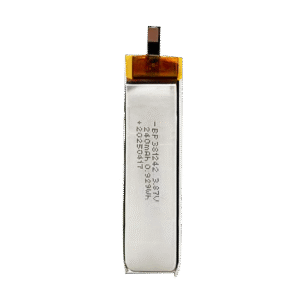
This is where small lithium polymer batteries redefine the game. Their miniature form factor, high energy density, and customizable geometry allow them to perfectly fit the compact design of wearable devices while maintaining reliable performance and safety.
A mini LiPo battery can be tailored in thickness, capacity, and voltage to match specific device requirements — ensuring that wearables remain comfortable, lightweight, and capable of all-day operation.
What Makes Small Lithium Polymer Battery Ideal for Wearable Devices
When it comes to powering wearable devices, every gram and millimeter counts. Small lithium polymer batteries stand out as the perfect solution because they combine compact size, flexibility, and high energy performance — all essential for today’s lightweight, portable technologies.
Ultra-Thin and Flexible Design
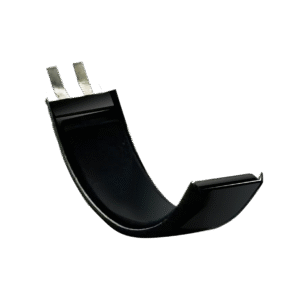
Small LiPo batteries can be made as thin as 0.5 mm, allowing them to fit seamlessly into curved or irregular housings such as smart glasses frames, fitness bands, or smart rings. Their pouch-cell structure offers excellent design flexibility, enabling engineers to shape batteries according to device contours — something that rigid cylindrical or coin cells simply cannot achieve.
High Energy Density
Despite their miniature size, small LiPo batteries deliver exceptional energy density, typically ranging from 200–300 Wh/kg. This means more power can be stored in a smaller footprint, allowing wearable devices to operate longer between charges — a critical factor for continuous health monitoring or all-day fitness tracking.
Lightweight Structure
For wearables, comfort is key. The lightweight construction of lithium polymer cells ensures that the power source adds minimal mass, preserving the user’s natural movement and comfort. Whether integrated into smart eyewear, hearing aids, or biosensors, these batteries help achieve a balance between performance and wearability.
Key Technical Considerations When Designing Batteries for Wearables
Designing a reliable and efficient battery for wearable devices requires more than simply choosing the smallest cell available. Engineers must carefully balance size, power output, safety, and lifecycle performance to meet the unique demands of compact, body-worn electronics. Below are the key technical factors that must be considered when developing or selecting a custom small battery for wearable applications.
1. Battery Capacity vs. Size Trade-Off
In wearable devices, available space is extremely limited, which creates a direct trade-off between battery capacity and physical dimensions. A larger cell provides more runtime, but even a small increase in size can affect comfort or device aesthetics. Engineers must therefore optimize the energy density of the mini rechargeable battery — often by using advanced cathode materials or optimizing internal layering — to achieve maximum capacity without compromising the slim form factor.
2. Voltage and Discharge Rate Requirements
Different wearables have distinct power consumption profiles. For example, smart glasses and medical sensors may require stable low-voltage output for long operation, while AR/VR headsets or smartwatches with advanced displays demand higher discharge rates for peak performance.
Choosing the right voltage configuration (typically 3.7V nominal for single-cell LiPo) and ensuring a consistent discharge curve are critical to maintaining reliable functionality under various usage scenarios.
3. Safety Certifications and Compliance
Safety standards are essential for products worn close to the human body. Reputable small lithium polymer batteries must comply with international certifications such as UN38.3, IEC 62133, and RoHS. These standards ensure batteries can withstand mechanical shock, vibration, thermal stress, and electrical abuse. For medical or health-monitoring wearables, meeting ISO 13485 compliance adds an extra layer of reliability and trustworthiness.
4. Charging and Temperature Management
Wearables often operate in close proximity to skin, which means thermal control is a top priority. Efficient charging circuits must prevent overheating while maintaining consistent charge levels across cycles. Many custom small batteries incorporate protection circuits (PCM) to prevent overcharging, over-discharging, and short circuits. Additionally, optimizing electrolyte composition helps maintain stable performance even under varying ambient temperatures.
5. Cycle Life and Material Selection
The cycle life of a wearable battery — how many charge/discharge cycles it can withstand before capacity drops significantly — is influenced by its internal chemistry.
- NMC (Nickel Manganese Cobalt) cells offer higher energy density and are ideal for premium consumer wearables.
- LCO (Lithium Cobalt Oxide) cells provide compactness and excellent voltage stability for lightweight designs.
Selecting the right material ensures that the mini rechargeable battery balances energy output, durability, and cost according to the intended application.
Common Applications of Small LiPo Batteries in Wearable Devices
Small lithium polymer batteries have become the power backbone for a wide range of wearable technologies. Their compact size, high energy density, and flexibility allow engineers to design innovative devices without compromising performance or comfort. Below are some of the most common applications:
Smartwatches & Fitness Bands
Lithium polymer batteries for smartwatches are designed to be thin, lightweight, and capable of providing all-day power for features like continuous heart-rate monitoring, GPS tracking, and notifications. The high energy density of LiPo cells ensures long battery life without increasing the bulk of the device, keeping wearables sleek and comfortable.
Smart Rings and Hearing Aids
These ultra-compact devices require mini rechargeable batteries that can fit into extremely small housings while delivering reliable power. LiPo batteries provide the perfect solution, offering consistent voltage and long cycle life, which is essential for devices that must operate continuously in close contact with the user.
Smart Glasses / AR Devices
Smart glasses and AR headsets demand batteries that are thin, lightweight, and flexible to integrate seamlessly into the frames. Small LiPo batteries provide stable power for displays, sensors, and wireless connectivity without adding noticeable weight, allowing for comfortable, all-day wear.
Medical Wearables (Heart Rate Monitors, Glucose Sensors)
Batteries for medical wearables must meet strict safety and reliability standards while providing stable, long-lasting power. LiPo batteries enable continuous monitoring and data transmission without frequent recharging, which is critical for patient compliance and accurate health tracking.
How to Choose the Right Small LiPo Battery for Your Wearable Device
Selecting the right battery is crucial for ensuring that wearable devices operate efficiently, safely, and comfortably. When deciding how to choose a LiPo battery for your project, several key factors should be considered:
1. Size and Form Factor
Wearables have limited internal space, so the battery must fit within the device’s housing without compromising ergonomics or aesthetics. Consider the thickness, length, and width of the battery, and whether a flexible or pouch-style LiPo can better conform to curved or irregular shapes.
2. Voltage and Capacity Requirements
Determine the voltage and capacity needed to power your device’s electronics, sensors, and wireless modules. A battery with too low a capacity will require frequent charging, while an oversized battery may add unnecessary bulk. Using a small rechargeable battery for wearables that matches your device’s power profile ensures optimal runtime and user experience.
3. Safety Certifications
Safety is paramount for wearables that remain in contact with the body. Look for batteries with protection circuits (PCM) and international certifications such as UN38.3, IEC 62133, or RoHS compliance. These standards ensure protection against overcharging, short circuits, and overheating.
4. Cycle Life and Durability
A long cycle life ensures that the battery maintains its capacity over time, which is critical for devices that are charged daily. Selecting materials and chemistries suited for frequent charging — such as NMC or high-quality LiPo cells — helps prolong battery lifespan.
Custom Small LiPo Battery Solutions
LanDazzle specializes in designing and manufacturing custom LiPo batteries that perfectly match your technical, mechanical, and performance requirements. Our team works closely with clients from concept to production to ensure every battery solution is optimized for efficiency, safety, and reliability.
1. Professional Consultation and Engineering Support
Our engineers start by understanding your device’s specifications — including voltage, current draw, size constraints, and operating conditions. From there, we recommend the most suitable 3.7V LiPo cell or custom battery pack configuration to ensure your product performs exactly as intended.
2. Advanced Design and Prototyping
We use precise modeling and simulation tools to create tailored LiPo battery solutions that fit seamlessly into your product’s structure. With rapid prototyping capability, you can quickly validate performance, fit, and thermal stability before mass production.
3. High-Quality Manufacturing and Testing
Every battery is built under strict quality control using premium-grade lithium polymer cells. We perform multiple safety and reliability tests — including UN38.3, CE, and RoHS certifications — to ensure each battery meets international standards.
4. End-to-End Customization and Global Delivery
From connector types and protection circuits to labeling and packaging, we offer full customization. Whether you need a mini LiPo pack for a wearable device or a compact battery module for a drone, our production facilities can scale to meet your needs with consistent quality and timely delivery worldwide.
Future Trends in Wearable Battery Technology
The wearable technology landscape is evolving rapidly, and with it, the demands placed on small lithium polymer batteries are becoming increasingly complex. As devices become thinner, more powerful, and more connected, the next generation of battery technologies is set to transform how wearables are designed and powered.
1. Solid-State Batteries
Solid-state batteries represent one of the most promising innovations in wearable power. By replacing liquid electrolytes with solid materials, these batteries offer higher energy density, improved safety, and longer lifespan. For wearable devices, this means smaller batteries can deliver longer runtime, enabling ultra-thin devices without compromising performance or user safety.
2. Stretchable and Ultra-Miniature Batteries
Emerging stretchable batteries open the door to next-generation health-monitoring wearables, including sensors embedded directly into clothing or skin patches. At the same time, continued miniaturization is essential for powering AI-driven health tracking devices, where compact sensors and wireless modules demand reliable, high-density power in extremely small packages.
3. Challenges in Miniaturization and AI Health Monitoring
The integration of AI and real-time health monitoring introduces unique battery challenges:
- Higher power consumption for continuous data processing and wireless communication.
- Heat management in ultra-compact enclosures.
- Maintaining long cycle life without increasing battery size.
Meeting these challenges requires precision-engineered small LiPo batteries with advanced thermal management, high energy density, and intelligent protection systems.
4. LanDazzle Commitment to Innovation
At LanDazzle, we are investing in next-generation wearable battery technologies, including custom-shaped, flexible, and high-density LiPo solutions. Our R&D focus ensures that our OEM battery manufacturing capabilities stay ahead of the curve, helping brands develop innovative, safe, and reliable wearables for the future.
By staying at the forefront of battery technology, LanDazzle empowers wearable manufacturers to deliver devices that are smarter, thinner, and more capable than ever before.
Conclusion
In the rapidly evolving world of wearable technology, choosing the right small lithium polymer battery is essential for creating devices that are compact, reliable, and high-performing. From smartwatches and fitness bands to medical wearables and smart glasses, the demands for lightweight, flexible, and safe power solutions continue to grow.
Small LiPo batteries stand out as the ideal solution, offering high energy density, customizable form factors, and reliable performance in even the most space-constrained designs. By considering key factors such as size, voltage, capacity, safety certifications, and cycle life, engineers can ensure their wearable devices deliver the best user experience and long-term durability.
For inquiries or custom battery solutions, please contact us.
Email: info@landazzle.com
Whatsapp: +8618938252128
Related Articles:
How to Choose the Best Small LiPo Battery for Your Product?