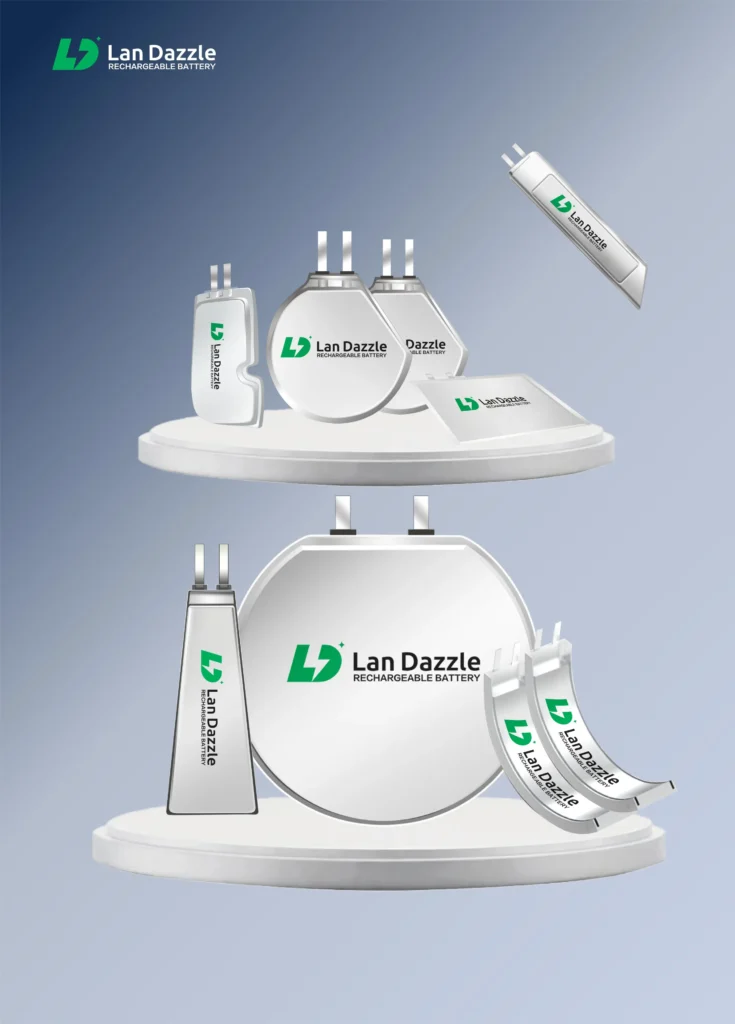
When we talk about smart wearable devices, we usually focus on clearer displays, more accurate health tracking, and smarter interactive features. However, we rarely pay attention to the battery hidden inside these devices. Yet this small and often overlooked component has been one of the biggest challenges limiting the design of wearable products for many years.
Most batteries we use today come in standard shapes. They are either square-shaped pouch cells, hard-shell rectangular cells, or regular cylindrical cells. Like standard building blocks made for mass production, these batteries are cost-effective, reliable, and mature in technology. They work well for devices with fixed designs, such as smartphones and power banks.
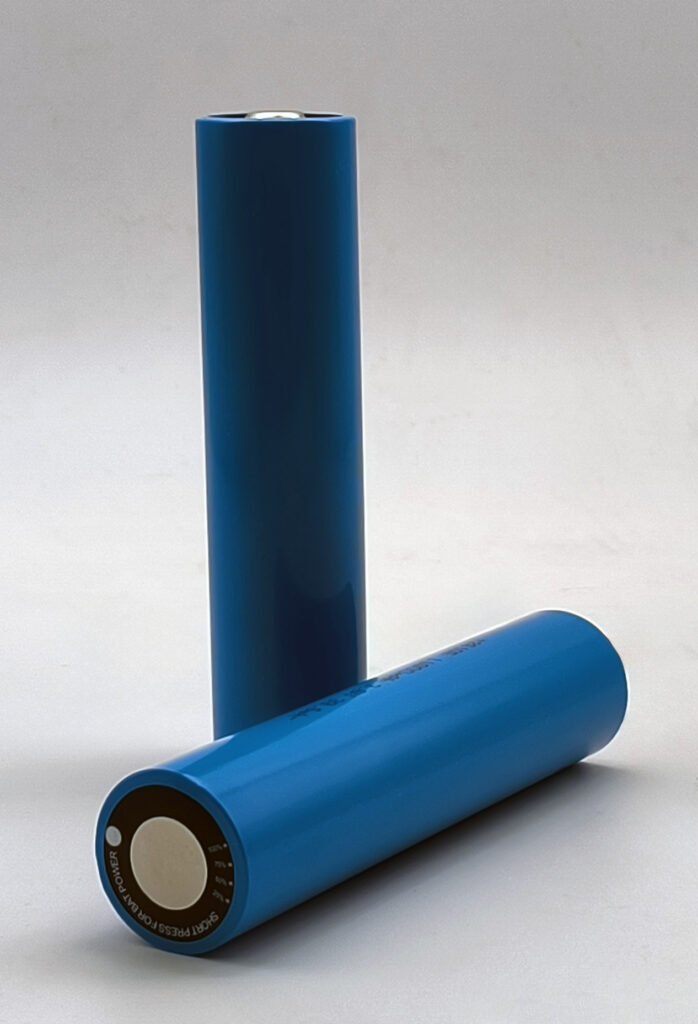
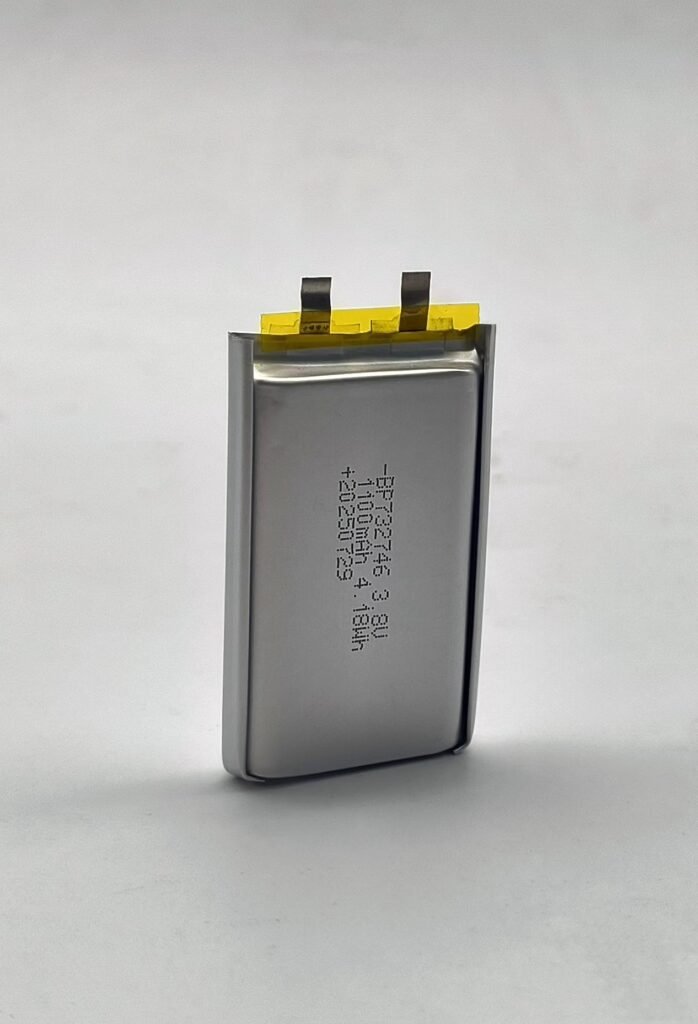
But as electronic products move from our pockets to our wrists, fingertips, and faces, they need to follow the curves of the human body and fit into smaller, more complex spaces. In these situations, these “standard building blocks” can become a limitation, making it harder to create smaller, more comfortable, and better-designed products.
This is where custom-shaped batteries come in. Once hidden behind the scenes of the industry, they are now becoming an important technology, shaping the future of consumer electronics.
What Are Custom-Shaped Batteries?
When people first hear the term “custom-shaped batteries,” they may think it refers to some futuristic battery technology that is far away from everyday life. In fact, the basic idea is quite simple: instead of forcing devices to fit standard battery shapes, manufacturers design batteries based on the available space and structure inside each device.
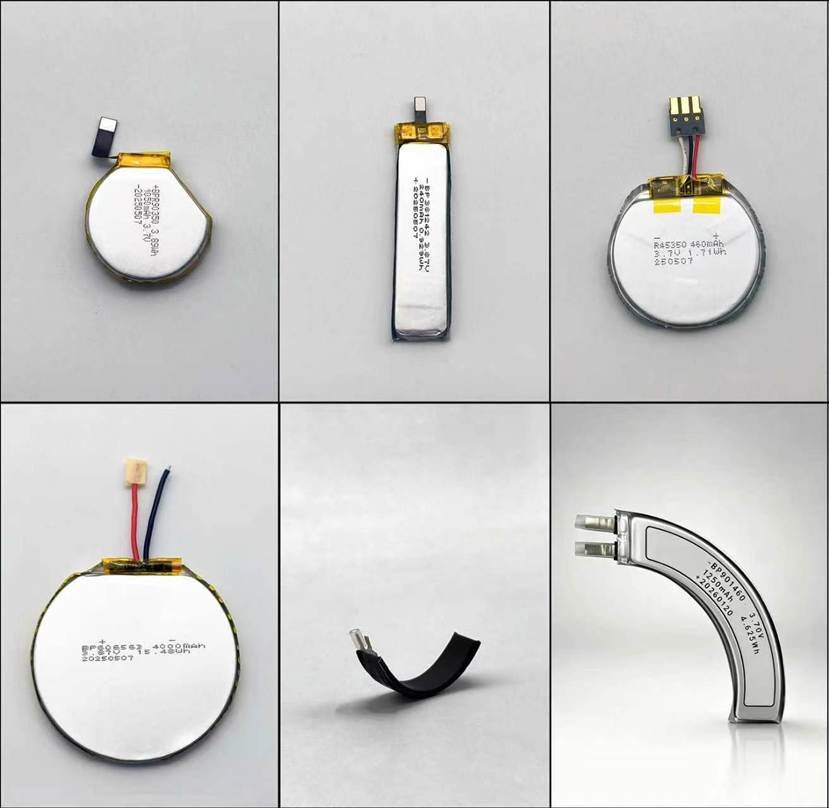
Traditional batteries follow a “one design fits many products” approach. A single battery model can be used in many different devices, helping manufacturers reduce costs through large-scale production. However, this approach often creates problems in the wearable technology industry.
For example:
- A smartwatch needs to follow the curve of the wrist, but a square battery may make the device thicker and less comfortable to wear.
- A smart ring needs to fit around a finger, but a traditional cylindrical battery simply cannot fit into such a small space.
- Smart glasses have thin, curved arms, while standard batteries are often too large and may force manufacturers to make the glasses thicker and heavier.
Custom-shaped batteries are designed to solve these challenges. They can be curved to match the shape of a wrist, made into long and slim strips to fit inside glasses arms, or designed in L-shapes to make use of unused corners inside a device. They can even take the form of rings, hollow structures, or ultra-thin sheets. Wherever there is unused space inside a device, a custom-shaped battery can be designed to fit, helping manufacturers make the best use of every millimeter.
However, changing battery shape is not as simple as it sounds. A battery is not like a piece of soft material that can be easily bent or reshaped. Inside every battery, the positive and negative electrodes, separator, and electrolyte all require precise structures and careful control. A custom-shaped battery is not just a battery that has been “bent into a new shape.” It is a new design approach that carefully balances size, capacity, safety, and durability to meet the needs of next-generation devices.
What Do Custom-Shaped Batteries Mean for Users?
Many people think battery technology only affects how long a device can run. But for wearable devices, batteries influence much more than just battery life. They also affect whether people are willing to use the device every day.
Take smart glasses as an example. Imagine putting on a pair of smart glasses in the morning before leaving home. They can help you navigate, translate languages in real time, capture important moments, and even answer your questions through AI.
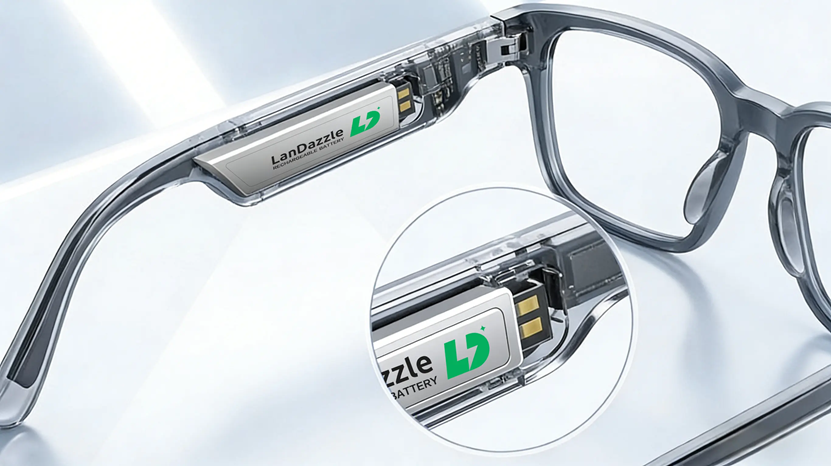
But what if the glasses are too heavy? What if the arms are too thick, and after wearing them for a few hours, your nose and ears start to feel uncomfortable? No matter how powerful the features are, the device may still struggle to become part of your daily life.
Technology should fit into our lives, not become an extra burden. Custom-shaped batteries give manufacturers more freedom to use the limited space inside smart glasses. For example, by designing a battery that follows the shape of the glasses arms, manufacturers can reduce unnecessary thickness and create products that look and feel closer to traditional glasses. For users, this means:
- Lighter and more comfortable: Better weight distribution can reduce pressure caused by placing too much weight in one area, making the glasses more comfortable to wear.
- Longer usage time: Better use of the limited internal space allows manufacturers to add more battery capacity and extend operating time.
- More smart features: The space saved can be used for additional cameras, sensors, or more advanced AI components.
In other words, custom-shaped batteries are not simply about changing the shape of a battery. They help smart devices overcome the limitations between design and functionality.
Even Small Smart Rings Need a New Battery Shape. Smart rings are another great example. Compared with smartwatches, smart rings face even greater space limitations.Users want them to be small and lightweight while still providing continuous health tracking, including sleep monitoring, exercise data, and body information.
Traditional rectangular batteries cannot fully use the limited space inside a ring. This is why future smart rings will need battery designs that better match their circular structure. When the battery can fit naturally inside the ring, the device can truly look like a normal piece of jewelry while offering the functions of a smart device.
The Real Meaning of Custom-Shaped Batteries: Making Technology Fit Into Everyday Life
Some people may ask: Is changing the shape of a battery really such a big deal? The answer is yes. Custom-shaped batteries represent a change in how the wearable industry thinks — from simply adding more features to focusing on the real needs of users. In the early days of smart wearables, companies tried to put more functions into smaller devices. The goal was almost to create a smartphone that people could wear. But users do not really need a tiny computer on their wrist or face. They need a device that feels natural, convenient, and quietly helps them in daily life. This is where custom-shaped batteries make a difference.
By using the available space inside a device more efficiently, these batteries allow wearables to become lighter, thinner, and more comfortable. Users do not have to constantly think about charging, heavy designs, or uncomfortable wearing experiences.
When devices become more comfortable to wear, offer longer battery life, and look more natural, smart glasses, smart rings, and other wearables can move beyond technology enthusiasts and become part of everyday life.
So why do batteries need so many different shapes? The answer is simple: because our bodies and our lives are not built around standard shapes. Our wrists, fingers, and faces all have unique curves, and every device has different space limitations. Great technology should adapt to people, not force people to adapt to technology. Custom-shaped batteries may not be the most visible part of a smart device, but they are quietly changing the way we use wearable technology.
Maybe one day, when we wear smart glasses that feel lightweight and last longer, we will not think about the battery inside.
And that is exactly the point. The best technology is often the technology we do not notice — it simply makes life better.
Email: info@landazzle.com
Whatsapp: +86 18938252128