
A 77-year-old woman talks with an AI companion robot called ElliQ more than ten times every day. To her, it is not just another electronic device—it feels like a companion at home.
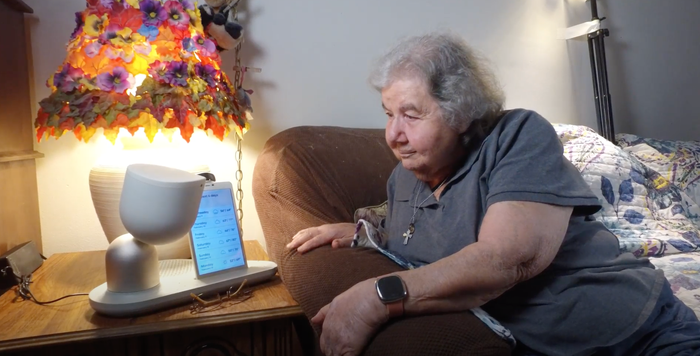
“It really feels like there is someone else here with me.”
Stories like this are becoming more common as AI companion robots enter people’s daily lives.
At the same time, however, there is another side to the discussion.
Some people worry that relying too much on AI companions could reduce people’s willingness to interact face-to-face, making them even more disconnected from society. Others are concerned about privacy. If an AI keeps recording daily habits, emotions, and personal stories, can that information truly remain safe?
As a result, one important question is attracting increasing attention:
Are AI companion robots helping people feel less lonely, or are they creating a new kind of emotional dependence and new social expectations?
What do people really want them to be?
Why Are AI Companion Robots Gaining Attention?
For many years, when people thought about robots, they usually imagined industrial machines. Robotic arms worked in factories, service robots delivered packages or cleaned buildings, and consumer electronics mainly focused on improving efficiency.
Today, that is beginning to change. Instead of simply completing tasks, the next generation of AI robots is expected to understand people. This shift is happening because of several important factors.
1. AI Can Communicate More Naturally Than Ever Before
In the past, people interacted with machines using fixed commands.
For example:
- “Play music.”
- “Set an alarm.”
- “What’s today’s weather?”
Modern large language models have changed this experience.
People can now talk to AI almost as naturally as they talk to another person. They can ask questions, share ideas, and even express their feelings. This has led many people to ask an interesting question:
If AI can understand conversations, remember previous interactions, and respond based on a person’s situation, could it become a true companion?
2. Loneliness Is Becoming a Growing Social Challenge
The growing interest in AI companion robots is not only driven by technology. It also reflects real social needs.
Today, more people are experiencing loneliness than ever before.
For example:
- Older adults living alone may have few people to talk to each day.
- Young professionals living in large cities often struggle to build stable social relationships.
- Remote workers have fewer opportunities for face-to-face conversations.
- People going through major life changes or the loss of loved ones may need emotional support.
For these groups, AI companionship is not intended to replace human relationships, but to provide continuous, always-available interaction and emotional support when human companionship is unavailable.
What Do People Expect from AI Companion Robots?
Although many AI products today can already answer questions and carry on conversations, people’s expectations for future AI companion robots go far beyond simple chat.
They want AI to become part of their daily lives and grow into a long-term companion.
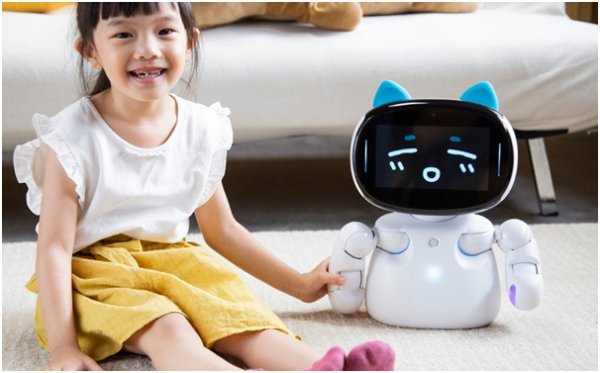
1. A Real Companion That Helps Reduce Loneliness
For many users, the greatest value of an AI companion is not providing information—it’s providing emotional support.
People hope AI can:
- Chat with them whenever they want.
- Listen to their thoughts and feelings.
- Offer comfort when they are feeling down.
- Keep them company in everyday life.
This can be especially meaningful for older adults living alone, people with social anxiety, and anyone who experiences long-term loneliness. However, users are not looking for a chatbot that gives the same generic response every time.
They want AI that can:
- Remember past conversations.
- Understand their daily habits.
- Learn their interests.
- Pay attention to changes in their mood.
In other words, they don’t want every conversation to feel like meeting someone for the first time.
For example, if a user says they are feeling stressed today, an AI with long-term memory should do more than simply reply:
“I’m sorry to hear that.”
Instead, it could say:
“The last time you felt this way, going for a walk helped you relax. Would you like to do that again today?”
This ability to remember, understand, and respond based on previous experiences is one of the biggest differences between an AI companion and a traditional chatbot.
2. A Personal Assistant, Not Just a Chatbot
Besides emotional support, people also expect AI companion robots to help with everyday tasks. In the future, an AI companion robot could become a reliable personal assistant.
Daily Life Management
For example, it could:
- Remind users to take their medicine.
- Manage schedules and appointments.
- Create shopping lists.
- Remember birthdays and important dates.
These features could make daily life easier, especially for older adults.
Home Assistant
AI companion robots could also help around the house by:
- Controlling smart home devices.
- Monitoring home safety.
- Helping children learn.
- Managing family information.
Personal Growth Partner
Many users also hope AI can support personal development by:
- Practicing foreign languages.
- Encouraging healthy exercise habits.
- Helping build better daily routines.
Rather than performing only one task, people expect future AI companion robots to combine several roles into one device:
- A companion
- A personal assistant
- A life coach
3. From Software to Physical Robots
Today, most AI companions exist only on smartphones or computers, but more and more people believe AI should have a physical presence because true companionship is about more than conversation—it is also about being there.
A real AI companion robot could:
- Move around the home.
- Understand its surroundings.
- Respond to different situations.
- Perform simple physical tasks.
For example, it could:
- Bring small items to users.
- Help with simple household chores.
- Walk alongside older adults.
- Check whether doors are locked or monitor home safety.
Many people believe the real breakthrough will not come when AI can simply talk like a human, but when it can also interact with the physical world. This is why AI companion robots are becoming one of the most exciting areas of the robotics industry.
4. A Consistent Personality and Long-Term Memory
One of today’s biggest limitations is that AI often doesn’t feel like someone who truly knows you. Many users hope future AI companions will develop a consistent personality and build long-term relationships.
They expect AI to:
- Remember important life experiences.
- Learn personal preferences.
- Maintain a consistent communication style.
- Adjust interactions based on their emotional state.
For example, a long-term AI companion should know:
- What kind of music you enjoy.
- When you usually feel stressed.
- Which activities help you relax.
Over time, the AI could become more personalized and more helpful. This ability to build lasting relationships may become one of the most important competitive advantages of future AI companion robots.
What Technologies Make True AI Companionship Possible?
AI is the brain of a companion robot, but delivering a natural companionship experience also requires powerful hardware, reliable mobility, and long battery life.
1. Smarter Sensing for Better Understanding
To understand people and their surroundings, AI companion robots rely on a variety of sensors.
These may include:
- Cameras to recognize people and objects.
- Microphones to hear voices and conversations.
- Motion and distance sensors to detect movement and avoid obstacles.
By using cameras, microphones, and other sensors, AI companion robots can better understand their surroundings and respond naturally to users. Without reliable sensing, even the smartest AI cannot effectively interact with the real world.
2. More Powerful Computing for Real-Time Conversations
Natural conversations require a great deal of computing power.
When a user speaks, the robot must quickly:
- Understand the speech.
- Process the meaning.
- Generate an appropriate response.
- Speak back naturally.
AI companion robots must process conversations, recognize faces and gestures, control movement, and connect with smart home devices in real time, making high computing performance with low power consumption a critical requirement.
3. Mobility Makes AI Feel More Like a Companion
Many people imagine future AI companions as robots that can move freely around the home.
Mobility allows a robot to do much more than sit on a desk.
For example, it could:
- Follow users from room to room.
- Bring small items when asked.
- Walk with older adults for support.
- Patrol the house and monitor safety.
To move efficiently, AI companion robots require lightweight designs, efficient motors, and reliable power systems, making energy management a key engineering challenge.
4. Battery Technology Will Shape the Future of AI Companion Robots
Battery technology is one of the most important—and often overlooked—factors in AI companion robot design.
Unlike smartphones, AI companion robots must power AI processors, cameras, microphones, sensors, speakers, motors, and wireless communication modules while remaining available throughout the day. If a robot needs frequent charging, it cannot provide the continuous companionship users expect.
As robots become smaller and more capable, battery design becomes even more critical. Because internal space is limited, standard battery sizes often cannot fully utilize the available space or provide enough capacity.
Custom battery solutions can help manufacturers maximize space utilization, increase battery capacity without increasing the robot’s size, reduce weight, and extend operating time. These advantages give designers greater flexibility to develop robots with different shapes and functions.
As AI companion robots continue to evolve, advances in battery technology and energy management will be just as important as improvements in AI. Smarter algorithms alone are not enough—reliable, all-day performance also depends on efficient power systems and batteries designed to meet the unique requirements of next-generation robots.
The Future of AI Companion Robots: True Companions or a New Kind of Dependence?
Over the next few years, AI companion robots are expected to develop rapidly.
As AI models become more capable, robot hardware becomes more affordable, and consumers grow more comfortable with AI, these robots may gradually move from research labs and technology exhibitions into ordinary homes.
However, whether they will become trusted companions depends on several important factors.
1. Can AI Provide Meaningful Interaction?
People want more than a robot that can answer questions—they want a companion that understands their needs, remembers past conversations, and builds trust over time instead of simply imitating human conversation.
2. Can User Privacy Be Protected?
Privacy remains one of the biggest concerns. To provide personalized companionship, AI companion robots may need to learn about a user’s daily routine, preferences, emotions, and personal experiences.
This raises an important question: How can companies protect this data while still delivering a personalized experience?
Future AI companion robots will need strong privacy protection and transparent data policies if they are to earn users’ long-term trust.
3. Can Technology Improve Life Without Replacing Human Relationships?
AI companion robots are designed to make life easier and reduce loneliness, but they should support human relationships rather than replace them. Technology creates the most value when it helps people stay connected with family, friends, and communities instead of increasing social isolation. Finding the right balance between convenience and real human connection will be one of the biggest challenges for the industry.
A New Type of Companion Powered by Better Energy Solutions
AI companion robots may never replace family members or close friends, but they can provide daily conversations, emotional support, and practical assistance for people who need extra support.
As AI continues to evolve, these robots could become an important part of consumer robotics. However, creating a truly useful AI companion requires more than intelligent software—it also depends on reliable hardware and efficient power systems.
With more compact and capable robot designs, battery technology will play a critical role. Higher energy density, longer battery life, and custom battery designs can help manufacturers create lighter robots with longer operating time and greater design flexibility.
The future of AI companionship depends not only on smarter AI, but also on energy solutions that enable robots to perform reliably in real-world environments.
Need a custom battery solution for your next-generation robot? Contact LanDazzle to power smarter devices.
Email: info@landazzle.com
Whatsapp: +8618938252128
Final Thoughts
AI companion robots are changing the way people think about technology. Instead of simply completing tasks, they are beginning to communicate, understand, and support people in more natural ways. The question is no longer whether AI companion robots will become part of our lives, but how they will fit into them. Their greatest value may not be replacing human relationships, but creating a new form of connection when people need support, companionship, or assistance.
As artificial intelligence, robotics, and battery technology continue to advance, AI companion robots are likely to become more intelligent, practical, and integrated into everyday life. The future of companionship may not belong only to humans or machines, but to the collaboration between both.