Table of Contents
In recent years, medical devices have been rapidly evolving toward miniaturization, wearability, non-invasive monitoring, and long-term implantation. Traditional square or cylindrical standard batteries can no longer meet the structural design and usage requirements of modern medical devices.
The emergence of custom-shaped batteries for medical devices addresses key challenges such as limited internal space, wearing discomfort, insufficient battery life, and strict safety and regulatory compliance. These batteries are no longer just power components—they have become core elements that shape medical device design, functionality, and overall clinical experience.
LanDazzle Engineering Capabilities & Technical Specifications
Engineered specifically for space-constrained wearable medical devices, our custom medical batteries combine high energy density, flexible form factors, and strict medical-grade safety compliant with ISO 13485.
Capabilities & Specifications Overview
- Thickness Range: 0.6 mm – 9.0 mm (Customizable)
Ultra-thin design ideal for smart patches, skin-contact ECG monitors, and disposable medical wearables.
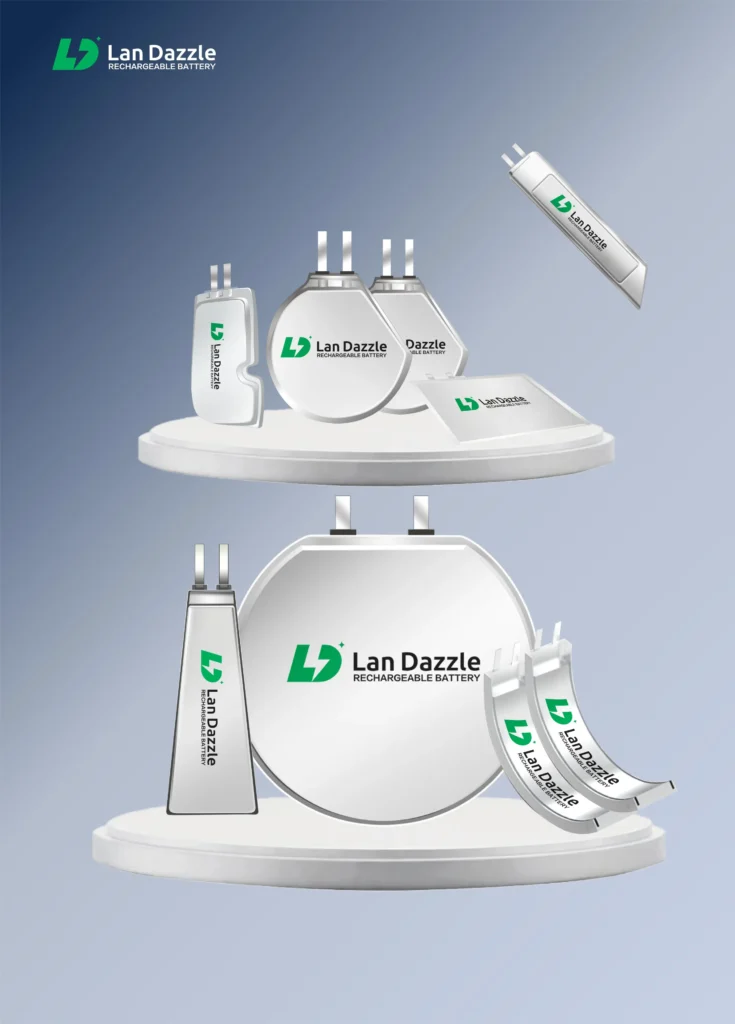
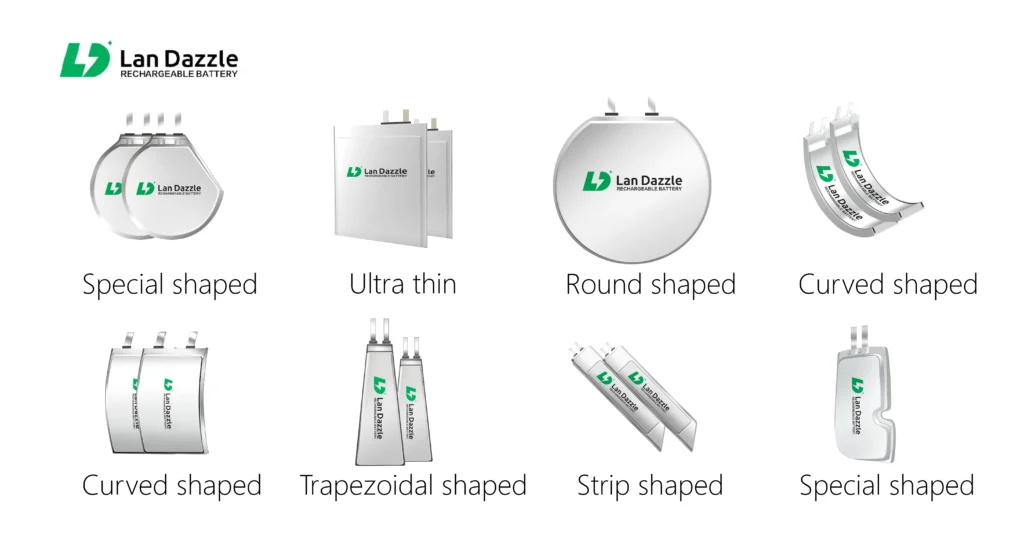
- Form Factor & Shapes: Curved / Arc, Round, Ring, L-Shape, Trapezoid, Ultra-Narrow, Pin-Type, Custom CAD Form
Maximizes internal volumetric efficiency by fitting around housing curves, optics, and sensors.
- Volumetric Energy Density: Up to 550 Wh/L – 750+ Wh/L (with Silicon-Carbon Anode)
Delivers extended operational life for CGMs (Continuous Glucose Monitors) without increasing device footprint.
- Nominal Voltage: 3.7V / 3.8V / 3.85V (High Voltage Options)
Provides stable voltage platforms to minimize noise interference in delicate analog sensing circuits.
- Operating Temperature: Standard: -20°C to +60°C | Wide Temp Series: -40°C to +85°C
Ensures reliable performance in ambient clinical environments, cold-chain transport, and outdoor monitoring.
- Cycle Life: 500 – 1000+ Cycles (Capacity Retained ≥ 80%)
Long-term reliability for reusable diagnostic gear, wearable hubs, and clinical smartwatches.
- Medical BMS & Safety: Dual/Redundant Overcharge, Over-discharge, Short Circuit, NTC Thermal Monitoring
Prevents overheating and skin discomfort during continuous wear; integrates precise fuel gauge ICs.
- Regulatory Compliance: ISO 13485, IEC 62133, UL 1642, UL 2054, UN 38.3, RoHS, REACH
Full documentation package provided to support your 510(k), CE-MDR, and NMPA medical device filings.
Common Battery Types Used in Medical Devices
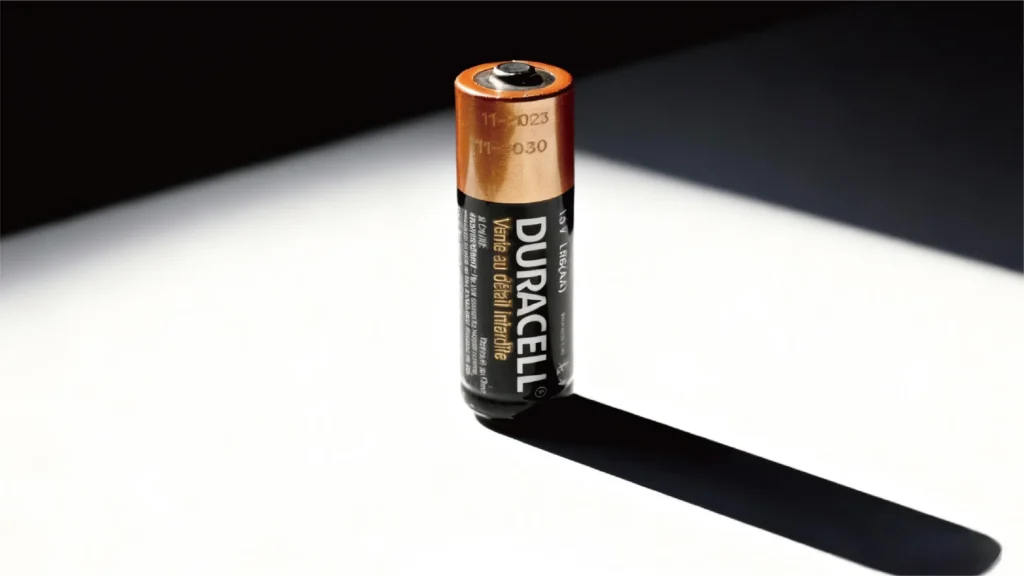
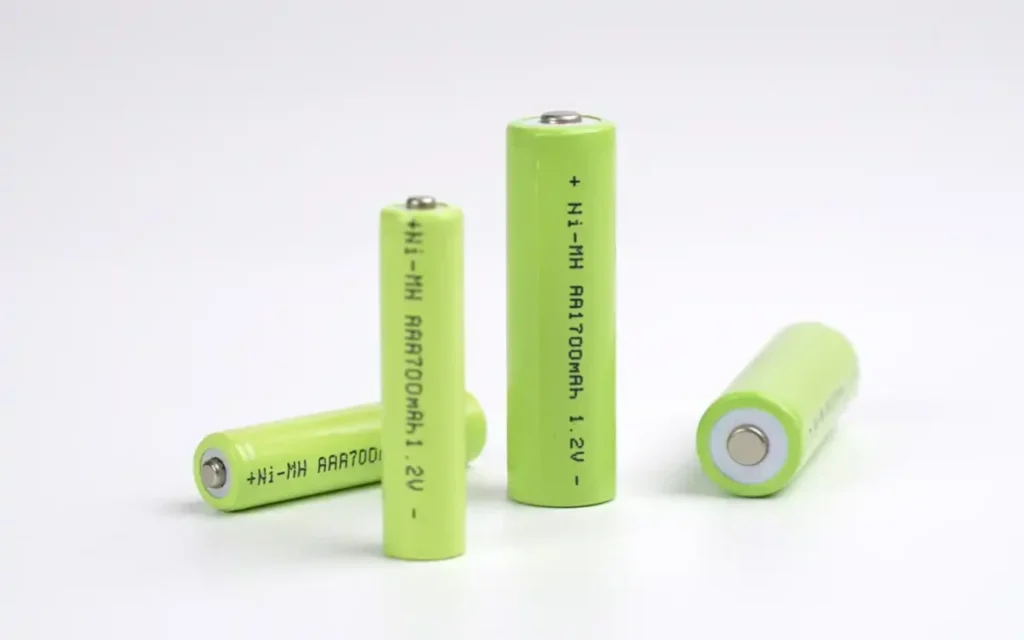
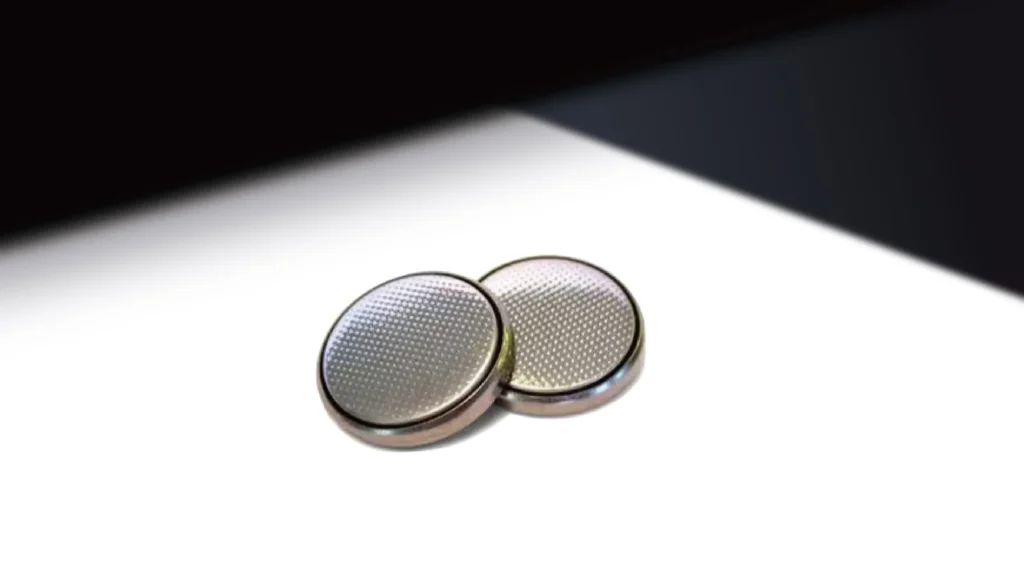
| Battery Type | Key Advantages | Typical Medical Applications | Limitations |
|---|---|---|---|
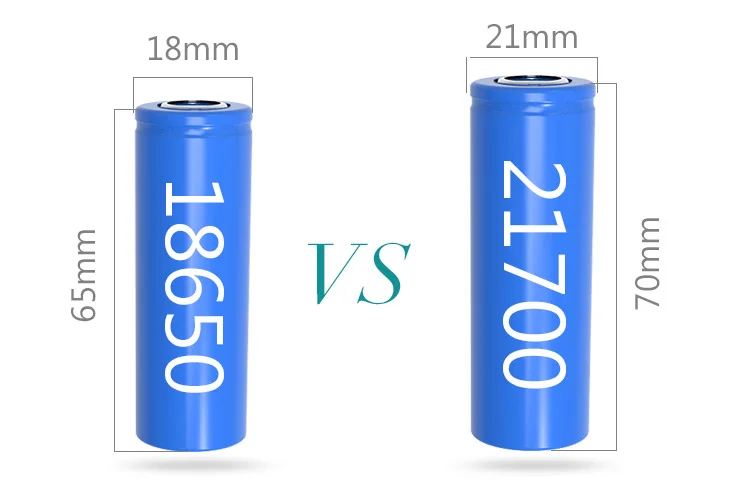
| Lithium-Ion Batteries | High energy density, rechargeable, lightweight, long cycle life, stable performance | Portable monitors, infusion pumps, imaging systems, emergency medical equipment | Requires protection circuitry and thermal management |
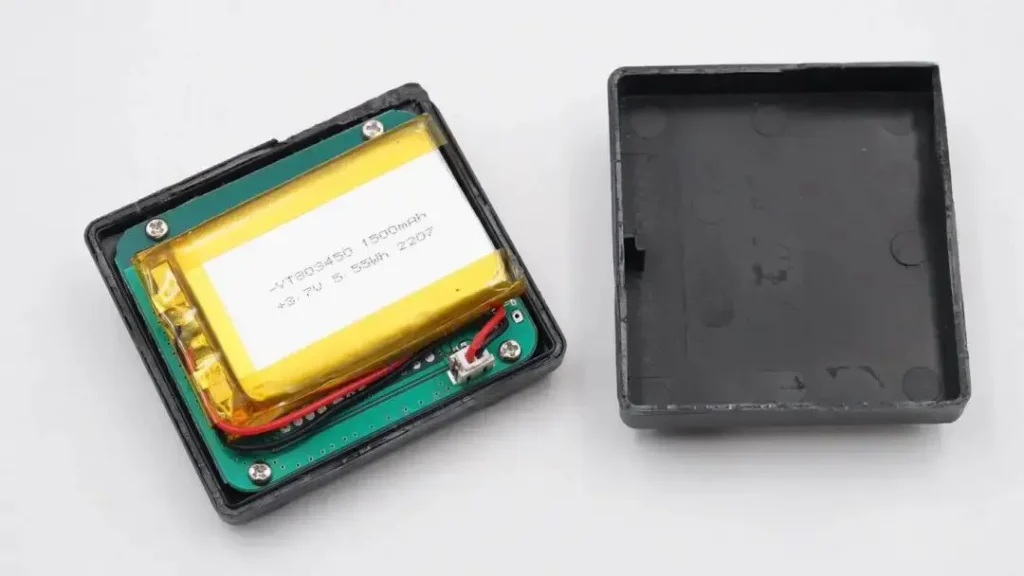
| Lithium Polymer Batteries | Ultra-thin, lightweight, flexible shapes, customizable design, stable output | Wearable medical devices, smart patches, hearing aids, portable diagnostic devices | Higher manufacturing cost compared to standard batteries |
| Alkaline Batteries | Low cost, widely available, long shelf life, simple replacement | Thermometers, disposable medical tools, remote sensors | Non-rechargeable, lower energy density, shorter operating life |
| Nickel-Metal Hydride (NiMH) Batteries | Rechargeable, environmentally friendly, reliable under moderate loads | ECG monitors, infusion pumps, portable medical equipment | Heavier and bulkier than lithium-based batteries |
| Button Cell / Coin Cell Batteries | Extremely compact, stable voltage, suitable for low-power electronics | Hearing aids, glucose meters, wearable health monitors, medical sensors | Limited capacity and typically non-rechargeable |
Why Custom-Shaped Batteries Are Becoming Essential for Medical Devices
As medical devices continue to become smaller, lighter, and more body-friendly, traditional standard batteries are increasingly turning into a design limitation. The rise of custom-shaped batteries is not about showing off new technology—it is driven by real product and user needs.
1. Breaking Size Limits for True Miniaturization
Cylindrical and rectangular batteries work well in standard housings, but they are poorly suited to the irregular internal spaces found in modern medical devices. In wearable and implantable products, structures are often designed around the curves of the human body, leaving many corners and non-standard spaces inside.
The value of custom-shaped batteries lies in their ability to:
- Match the battery shape to the device cavity, instead of forcing the device to fit the battery
- Use space that would otherwise be wasted
- Reduce overall device size without sacrificing battery capacity
This efficient use of space is a key foundation for making medical devices smaller and lighter.
2. From “Usable” to “Comfortable”: A Real Upgrade in User Experience
In medical devices, battery shape has a direct impact on wearing comfort and long-term use. Batteries designed to follow the human body offer clear benefits:
- Thinner and lighter designs that reduce the feeling of a foreign object
- More discreet appearance, lowering psychological stress for patients
- Better suitability for continuous or long-term wear
Whether it is a hearing device worn all day or a skin-attached ECG patch, the power source should fade into the background, not become a daily burden. This is why custom-shaped batteries have moved beyond a technical solution and become a patient-centered design choice.
3. Freeing Space for Advanced Functions
In miniaturized medical devices, space is one of the most limited resources. By optimizing internal layout with custom-shaped batteries, designers can free up space for:
- High-precision sensors
- Wireless communication modules such as Bluetooth and remote monitoring
- More powerful data processing and storage units
This allows devices that were once limited by size to support smarter, more connected functions, expanding what medical devices can achieve in monitoring, diagnosis, and long-term care.
Applications of Custom-Shaped Batteries for Medical Devices
Wearable Chronic Disease Monitoring Devices
Typical products: Continuous glucose monitors (CGM), ECG patches, temperature monitoring patches, wearable SpO₂ monitors.
These devices focus on being thin, skin-friendly, and comfortable for long-term wear. Standard batteries cannot meet these requirements. Ultra-thin custom-shaped batteries can follow the natural curve of the skin, making devices flatter and reducing the feeling of a foreign object. This improves patient comfort and long-term wearing compliance.
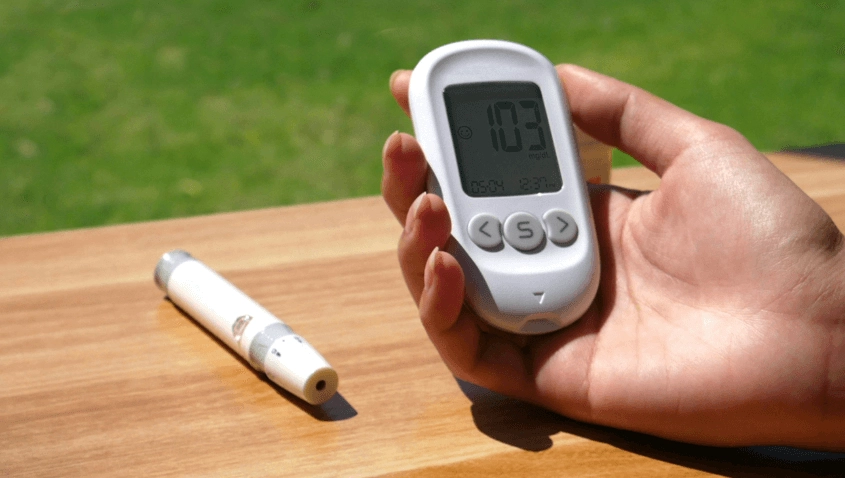
At the same time, low self-discharge performance supports 7–14 days of continuous monitoring, ensuring complete and uninterrupted medical data.
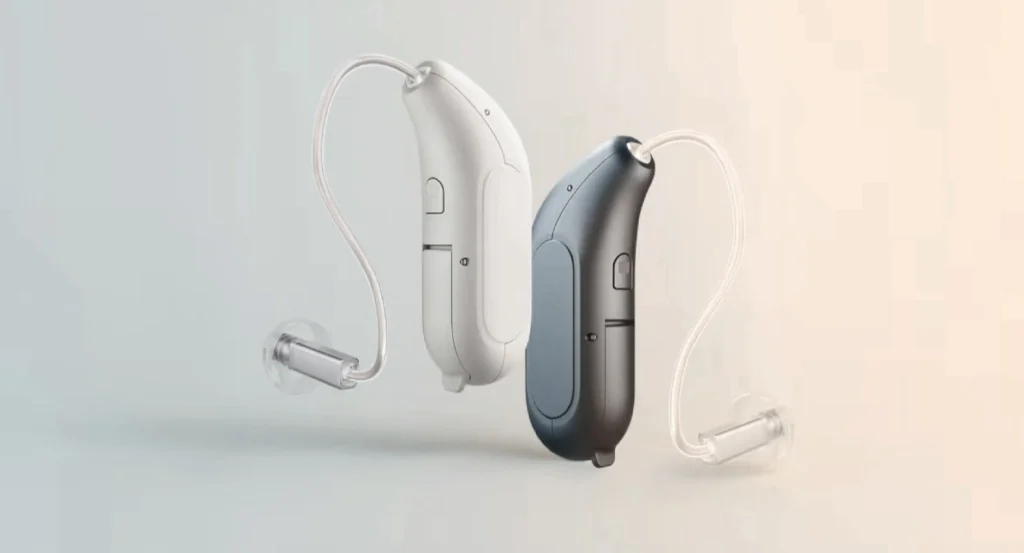
Hearing Aids and ENT Miniature Medical Devices
In-the-ear and deep-canal hearing aids are one of the most demanding use cases for custom-shaped batteries. The ear canal is small and curved, so only specially designed curved and ultra-small batteries can fit properly. These batteries must deliver:
- Long-term, low-power and stable output
- No leakage
- No magnetic interference
This is critical to avoid affecting sound processing and hearing performance.
Portable Rehabilitation and Therapy Devices
Typical products: Portable therapy devices, wearable rehabilitation equipment, muscle stimulators, home-use medical beauty devices.
These products often use ergonomic curved housings with irregular internal space. Custom medical battery can fit the enclosure structure, enabling lightweight designs while still providing sufficient battery life—ideal for home and mobile rehabilitation use.
Minimally Invasive Implants and Miniature Diagnostic Devices
This category includes mini implantable sensors, in-body monitoring devices, and minimally invasive diagnostic tools. These devices place the highest demands on battery size, shape, and safety.
Key requirements include:
- Ultra-small custom designs
- Biocompatibility and non-irritating materials
- Extremely long service life
For such applications, custom-shaped batteries are not just a component—they form a core technical barrier for high-end medical devices.
Safety Requirements for Wearable Medical Device Batteries
Safety is one of the most critical requirements in wearable medical device battery design. Because these devices are often worn directly on the body for extended periods, batteries must meet stricter standards than ordinary consumer electronics.
Modern medical wearable batteries are typically designed with multiple layers of protection to reduce the risks of overheating, short circuits, swelling, and unstable power output. In addition, long-term reliability and consistent performance are essential for continuous health monitoring applications.
Key safety requirements usually include:
- Low temperature rise during operation and charging
- Protection against overcharge, over-discharge, and short circuits
- Stable voltage output for continuous medical monitoring
- High structural integrity to reduce swelling or leakage risks
- Compliance with international safety and transportation standards
Depending on the application, custom battery systems for medical equipment may also need to support standards such as:
- IEC 62133
- UN38.3
- RoHS
- REACH
- ISO 13485 quality systems
For wearable healthcare products, battery safety is not simply a power requirement — it is an essential part of overall device reliability and patient protection.
Conclusion
Custom-shaped batteries are essential for medical devices to become smaller, smarter and more user-friendly. They not only solve the size and shape limits of traditional batteries, but also use new battery materials and precise power management technology to greatly improve the safety and stability of medical equipment.
In the future, medical batteries will keep developing with higher safety, longer service life and higher integration. At the same time, new technologies such as biofuel cells are gaining more attention. For example, using glucose in the human body to produce power can fundamentally fix the short battery life problem of implanted devices. It will also avoid repeated operations for battery replacement, bringing new progress to wearable and implantable medical devices.
Wearable Medical Device Battery Solutions
If your wearable medical device is facing challenges such as limited space, wearing discomfort, short battery life, or regulatory pressure, we can provide practical, production-ready solutions.
We specialize in custom medical device battery packs, supporting ultra-thin, flexible designs that fit the human body. Our solutions combine high safety, long battery life, and global regulatory compliance, making them ideal for CGM systems, ECG patches, and wearable temperature or SpO₂ monitoring devices.
From early concept evaluation and structural customization to mass production, we work closely with your device design to ensure the battery truly supports the overall product experience.
Email: info@landazzle.com
Whatsapp: +8618938252128