Table of Contents
What is A Lithium Polymer Battery?
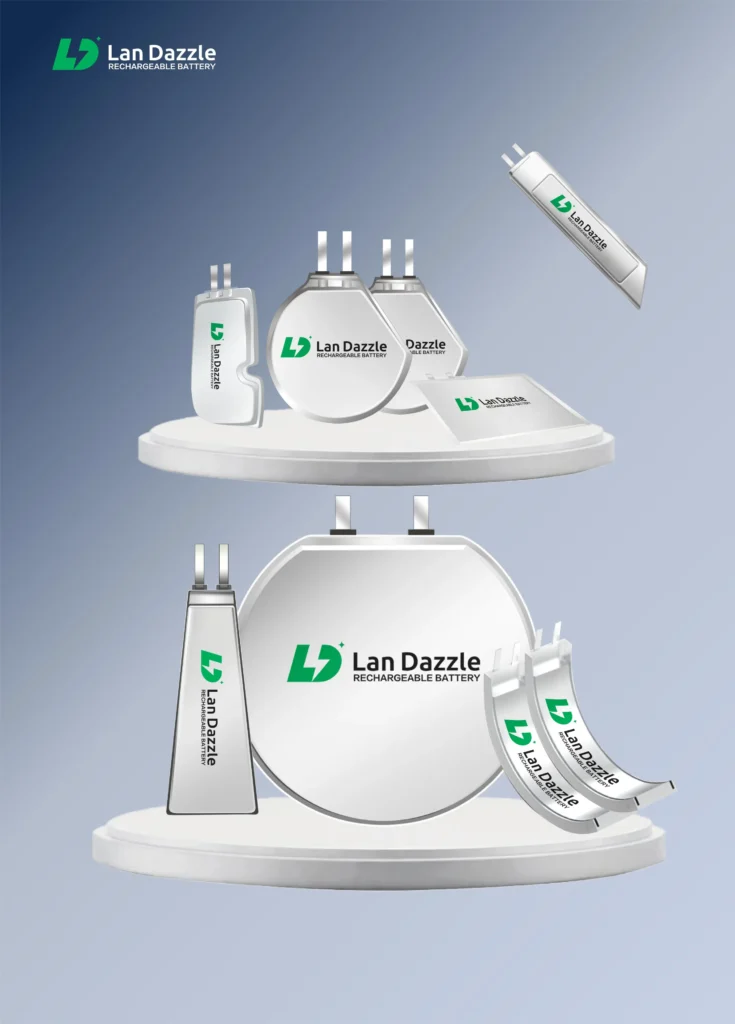
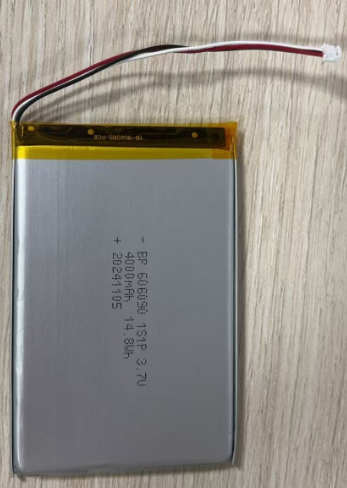
Lithium polymer batteries, more commonly known as LiPo batteries, belong to the family of rechargeable lithium batteries. They’re well-regarded for being slim, lightweight, and highly customizable in both shape and size. This makes them ideal for compact devices with limited internal space—where the battery has to fit around the product design, rather than forcing the design to accommodate a standard battery.
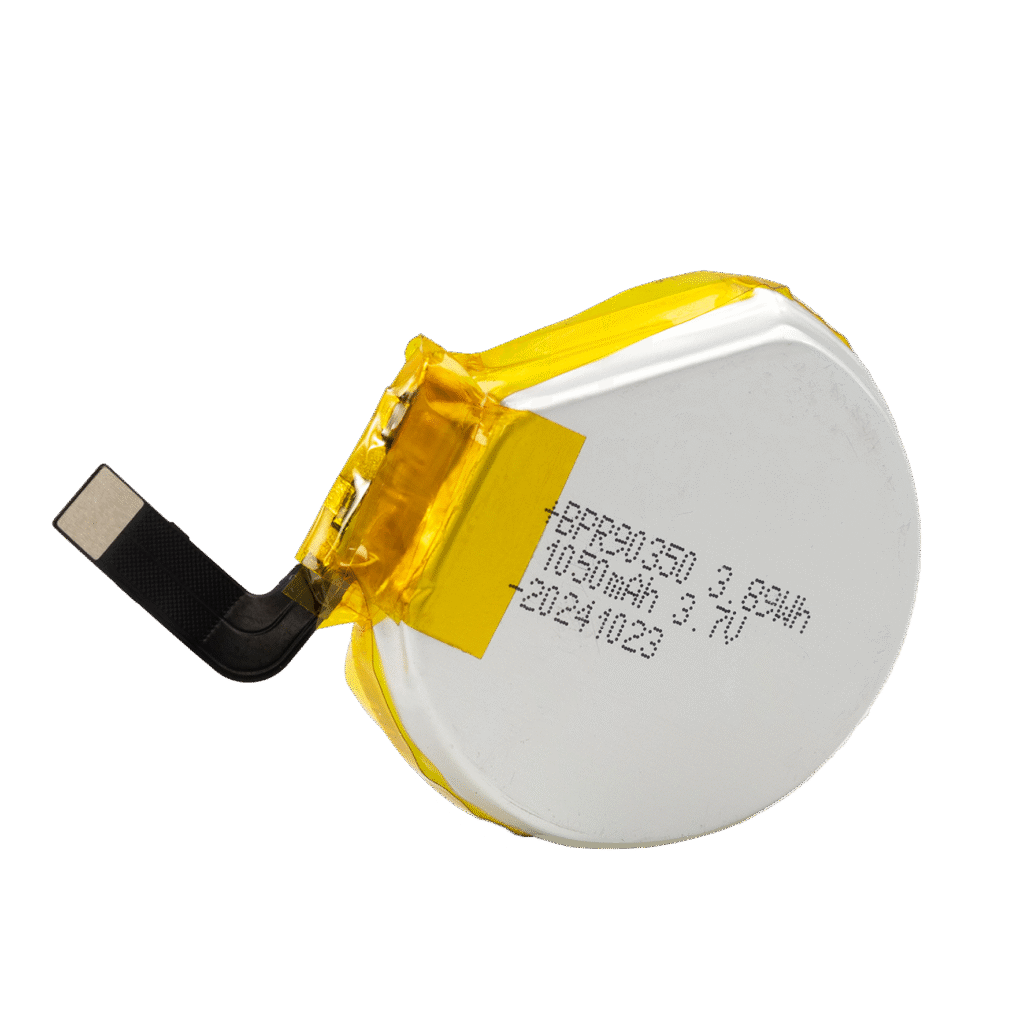
Nearly all LiPo batteries adopt a soft pouch-style structure. Without the need for a rigid metal outer casing, this design lets battery manufacturers freely adjust the battery’s form factor to suit different needs. This is a major reason why LiPo batteries are so widely used in thin electronic devices, wearables, drones, medical equipment and many other compact portable products.
How Does a Lithium Polymer Battery Work?
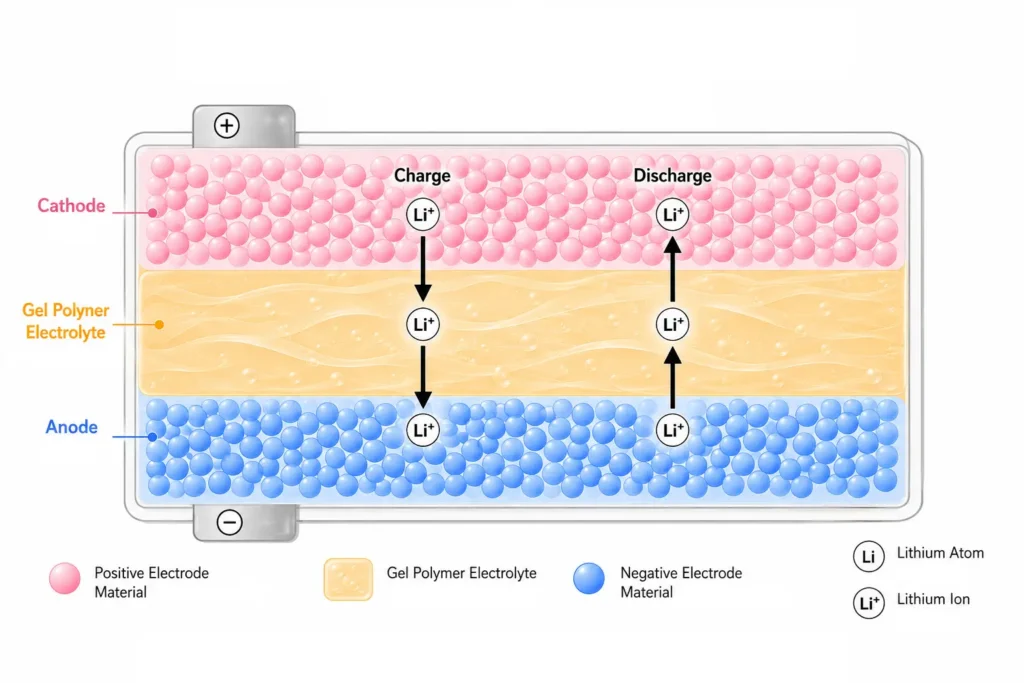
Lithium polymer batteries work by circulating lithium ions between two core internal components: the positive cathode and negative anode. Lithium ions flow one way while the battery is charging, then shift in the opposite direction to supply power when it’s running an electronic device.
Lithium Polymer Battery vs Other Lithium Battery Types
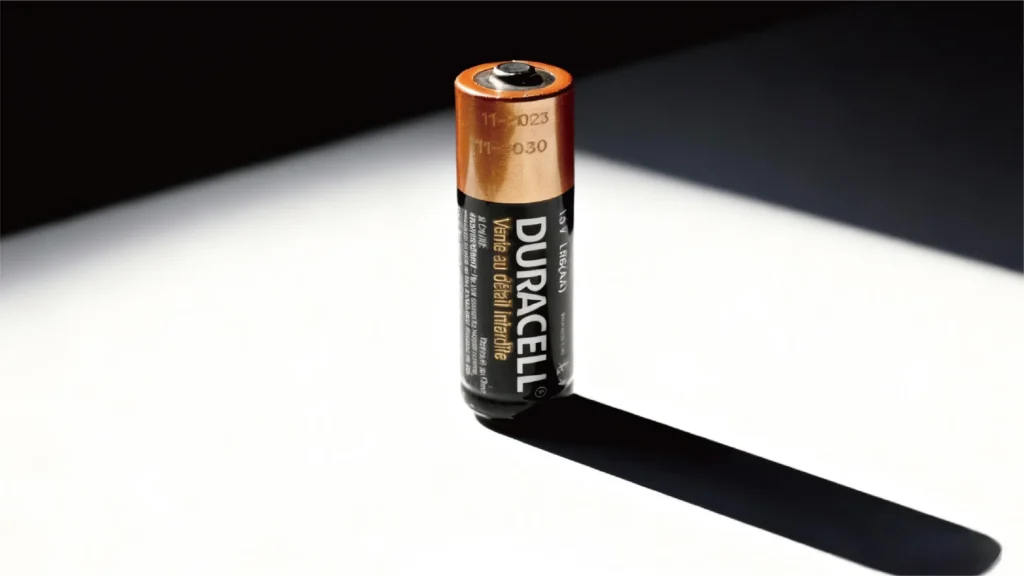
Lithium polymer batteries are often grouped together with lithium-ion batteries, but in real products, the difference is not just chemistry — it is mainly cell structure and packaging.
This structural difference directly affects how batteries are designed, integrated, and produced.
| Comparison Aspect | Lithium Polymer Battery (Pouch) | Cylindrical Lithium-ion Battery | Prismatic Lithium-ion Battery |
|---|---|---|---|
| Cell structure | Flexible aluminum-plastic pouch without rigid metal housing | Sealed in a rigid cylindrical metal can | Sealed in a rigid rectangular metal case |
| Design logic | Battery is designed to match the product’s internal layout | Product layout must adapt to fixed cell dimensions | Product adapts to limited standard sizes |
| Shape flexibility | Can be customized in thickness, length, and outline shape | Fixed round shape, no customization | Limited shape flexibility |
| Space utilization | High space efficiency, minimal unused internal volume | Lower efficiency due to gaps between round cells | Better than cylindrical, but still constrained |
| Typical internal layout impact | Fits irregular or ultra-compact spaces | Requires regular, symmetrical internal space | Works best in box-shaped enclosures |
| Mechanical protection | Relies on external device structure for support | Built-in metal protection | Built-in metal protection |
| Manufacturing approach | Design-driven, often custom or semi-custom | Highly standardized, mass production focused | Semi-standardized, industrial focused |
| Engineering involvement | Higher upfront design and validation | Minimal design work | Moderate design work |
| Production volume suitability | Low to medium volumes, customized products | Very high volumes | Medium to high volumes |
| Common application types | Wearables, drones, medical devices, compact electronics | Power tools, EV packs, standardized modules | Energy storage, industrial equipment |
Types of Lipo Batteries
- Standard LiPo batteries: The most common type, usually made in a soft pouch format. They are lightweight, thin, and easy to shape for compact devices.
- Ultra-thin LiPo batteries: Designed for very slim products such as wearables, medical patches, smart cards, and small consumer electronics
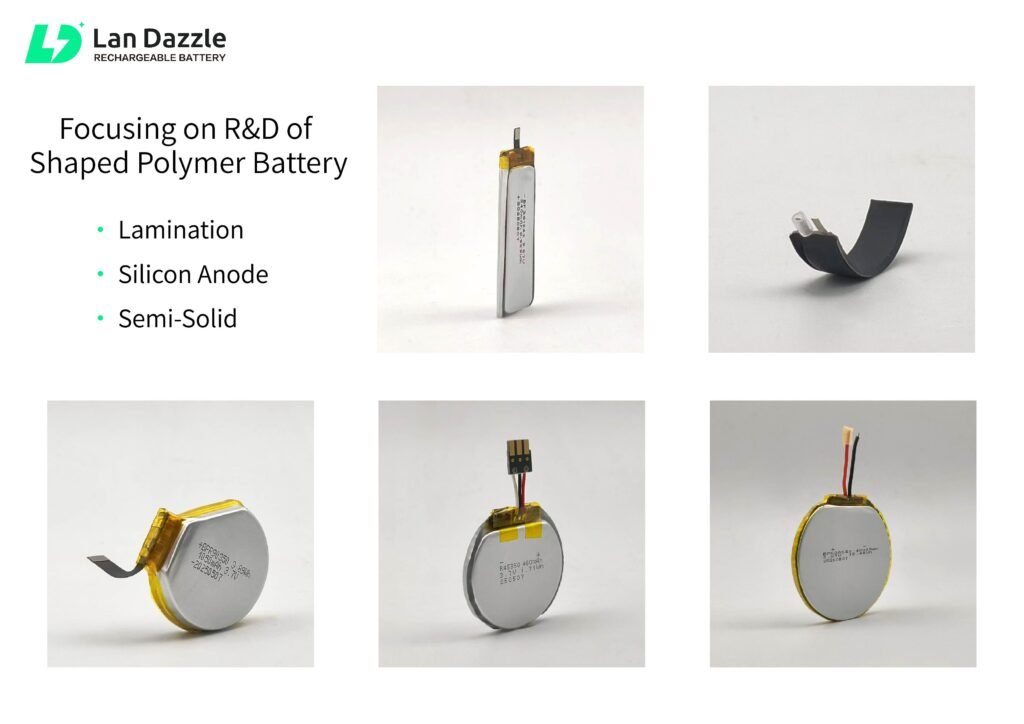
- Curved / custom-shaped LiPo batteries: Made to fit irregular internal spaces. These are often used in wearable devices, medical devices, and smart electronics.
- High-voltage LiPo batteries: Built to provide a higher nominal voltage or support higher energy density. These are useful when a device needs more power in a limited space.
- Low-temperature LiPo batteries: Designed to work better in cold environments. They are commonly used in outdoor equipment, medical devices, and industrial devices.
- High-rate LiPo batteries: Made for applications that need fast discharge and strong power output, such as drones, RC products, and power tools.
- LiPo battery packs: A battery pack combines multiple LiPo cells with protection circuits, connectors, and sometimes BMS functions. This is the form most customers actually buy for real product
What Are the Advantages of Lipo Cell?
High Energy Density – LiPo cells can store a large amount of energy relative to their size, enabling longer operation times in compact devices.
Custom Shapes and Curved Designs – The flexible pouch allows for curved or uniquely shaped batteries, providing design freedom for innovative device form factors. This makes curved LiPo batteries particularly useful in wearables, VR headsets, and other space-constrained applications.
Lightweight and Compact – LiPo cells are significantly lighter than traditional rigid batteries, making them perfect for portable electronics, drones, and micro-devices where weight reduction is critical.
High Discharge Rate – LiPo batteries can deliver high current output, which is essential for devices like drones, robotics, and electric tools that require bursts of power. These high-discharge LiPo batteries ensure reliable performance under demanding conditions.
Safety and Low Internal Resistance – The polymer electrolyte reduces leakage risk, while low internal resistance enhances efficiency and thermal stability, improving both performance and safety.
What Are the Disadvantages of Lipo Cell?
While lipo batteries offer many advantages, there are several limitations and considerations to keep in mind:
- Higher Cost – Compared to traditional lithium-ion batteries, LiPo cells are generally more expensive due to their flexible packaging and manufacturing complexity.
- Limited Cycle Life – LiPo batteries typically have a shorter lifespan than some rigid Li-ion cells, and performance can degrade faster under frequent high-current discharge.
- Swelling and Puffing Risk – Improper charging, over-discharge, or exposure to high temperatures can cause the battery to swell or puff, which may compromise safety and device fit.
- Temperature Sensitivity – LiPo cells are sensitive to extreme temperatures, both hot and cold, which can affect capacity, performance, and safety.
- Battery Management System (BMS) Requirement – Proper BMS or protection circuitry is essential to prevent overcharge, over-discharge, and short circuits.
- Storage and Transportation – Special care is required during storage and shipping to avoid mechanical damage, temperature extremes, and potential hazards.
What Are the Applications of Lithium Polymer Battery?
Consumer Electronics
LiPo cells are commonly found in smartwatches, wireless earbuds, tablets, and VR devices, where compact size and lightweight design are essential. Their high energy density ensures longer operating times in small devices without adding bulk.
Drones & UAVs
For drones and UAVs, LiPo batteries provide the high current output required for motors and flight control systems while keeping the overall weight low. This combination of power and lightness enables longer flight times and better maneuverability.
Robotics & Tools
LiPo cells are ideal for electric tools, educational robots, and industrial robotics, offering high discharge rates to drive motors efficiently. Their customizable shapes allow integration into compact or uniquely designed devices.
Wearables & Medical Devices
Wearables such as fitness trackers and heart rate monitors, as well as portable medical devices, benefit from LiPo batteries’ thin and flexible form factor. This enables comfortable, unobtrusive designs while maintaining reliable power delivery.
Low-Temperature / Harsh Environment Applications
Specialized LiPo cells are designed for low-temperature operation, making them suitable for cold-weather drones, electric tools, and e-bikes. These low temperature LiPo batteries ensure consistent performance in extreme conditions, while other batteries for cold weather often struggle with reduced capacity and efficiency.
Manufacturing and Design Choices
When it comes to lithium polymer batteries, how they are made and how their internal layers are organized both play a big role in performance, reliability, and cost. Unlike standardized cylindrical cells, pouch-based lithium polymer batteries allow more flexibility in manufacturing and internal design — but that also means there are important choices to make early in the process.
How a Custom LiPo Battery Is Made
Custom lithium polymer battery production starts with the cell design — defining voltage, capacity, shape, and materials based on the product’s requirements. Once the design is set, the battery is built through a series of precise steps, including:
- Preparing and coating electrode materials
- Cutting and stacking the electrodes and separators
- Assembling layers into a pouch case
- Electrolyte filling and sealing
- Formation charging and aging
- Final testing and quality checks
Because lithium polymer batteries can be shaped to match the internal space of a device, the manufacturing process often involves extra steps to ensure consistent quality across different form factors. You can read a detailed look at this process in how a custom LiPo battery is made.
Internal Design Choices: Stacking vs Winding
Inside a lithium polymer battery, the way the electrode layers are arranged is a key design decision. There are two common approaches:
1. Winding (Spiral Roll)
In this method, the positive and negative electrode layers are wound together like a roll of tape. This technique is common in cylindrical batteries and is sometimes used in pouch cells as well.
2. Stacking (Layer-by-Layer)
Instead of rolling, the electrode and separator layers are layered flat on top of each other and then compressed.
Both approaches can be used in lithium polymer battery manufacturing, but they lead to very different internal characteristics.
Comparing Stacking and Winding
| Design Method | Winding | Stacking |
|---|---|---|
| Layer arrangement | Rolled spiral | Flat stack |
| Space utilization | Moderate | Higher |
| Thickness control | Harder to manage | Easier to control precisely |
| Heat distribution | Less uniform | More uniform |
| High capacity layout | Limited | Better scaling |
| Custom shape adaptability | Limited | Excellent |
| Mechanical stress control | Moderate | Better |
In simple terms, winding is easier for standard cylindrical formats because it fits the geometry of a round cell. However, when the goal is thin, flat, custom-shaped pouch cells, stacking becomes more efficient. It gives better control over thickness, improves usable volume, and reduces irregular gaps inside the cell. For these reasons, many engineers prefer stacking for lithium polymer pouch batteries.
How to Choose a LiPo Battery?
Selecting the right polymer battery requires careful consideration of several key factors to ensure optimal performance, safety, and compatibility with your device.
Voltage, Capacity, and Sizing Considerations
Start by calculating your device’s power requirements and determining the appropriate voltage and capacity. Proper matching ensures that the battery can deliver sufficient energy without overloading or underperforming. Physical size and thickness should also be considered to fit the battery seamlessly into the device’s design.
Discharge Rate (C-Rate) and Current Requirements
High-power devices such as drones, electric tools, or robotics require batteries with a high discharge rate (C-rate) to deliver bursts of current safely and efficiently. Selecting the right C-rate ensures consistent performance under heavy load and prevents overheating or premature wear.
Shape/Form Factor & Mechanical Constraints
The flexible nature of LiPo cells allows for curved, thin, or custom-shaped designs. Carefully assessing the device’s available space and mechanical constraints helps optimize battery placement while maintaining the device’s structural integrity and aesthetics.
Safety, Thermal Management, Cycle Life
Incorporate a Battery Management System (BMS) to protect against overcharge, over-discharge, and short circuits. Proper thermal management ensures stable operation and longevity, while attention to cycle life allows the battery to meet expected usage demands over time.
Certifications and Regulatory Considerations
Ensure the battery complies with international safety and quality standards, such as CE, UN38.3, and IEC certifications, especially if the device will be sold commercially or transported globally. Compliance guarantees safe operation, legal distribution, and customer confidence.
Future Trends in LiPo Technology
The field of lipo batteries is evolving rapidly, driven by the demand for higher performance, lighter weight, and flexible energy solutions. Key trends include:
- Solid-State Polymer Batteries – These batteries replace traditional liquid or gel electrolytes with a solid polymer, offering enhanced safety, higher energy density, and longer cycle life.
- High-Energy-Density and High-Voltage LiPo – Designed to provide more power without increasing size or weight, ideal for drones, electric vehicles, and high-performance robotics.
- Ultra-Thin and Flexible Batteries – Enabling curved wearables, foldable electronics, and other devices where space and shape flexibility are critical.
- Sustainability and Recycling – Eco-friendly materials and battery recycling are becoming integral to future LiPo technology, reducing environmental impact.
- Drones and Aerospace Applications – These fields drive innovation, requiring lightweight, high-capacity batteries capable of reliable operation in extreme environments.
These trends indicate that LiPo batteries will remain central to the next generation of portable and high-performance devices, combining efficiency, safety, and design flexibility across diverse applications.
Conclusion
Lithium polymer battery cells offer a unique combination of high energy density, lightweight design, and flexibility, making them ideal for a wide range of applications—from consumer electronics and wearables to drones, robotics, and medical devices. While they come with considerations such as cycle life, temperature sensitivity, and the need for proper battery management, their advantages in performance and design versatility make them a preferred choice for modern, compact, and high-performance devices.
For businesses and engineers seeking custom battery solutions, we provides expertise in designing tailored batteries that meet specific voltage, capacity, shape, and performance requirements. With experience in curved, flexible, low-temperature, and high-discharge LiPo batteries, LanDazzle helps ensure devices achieve maximum efficiency, safety, and reliability.
Contact LanDazzle today to explore custom solutions and optimize your device’s performance with high-quality, tailored lithium polymer batteries.
Email: info@landazzle.com
Whatsapp: +8618938252128