Table of Contents
When the available space inside your product is already fixed, a standard battery may not meet your requirements for size, shape, or performance. This is when you may need a custom battery manufacturer.
But being able to manufacture batteries does not necessarily mean a supplier can develop a truly custom battery. For product teams, the key questions are: What can the manufacturer customize? Can it support the engineering process? Can it validate the design? And can it manufacture the battery consistently at scale?
What Should You Define Before Choosing a Custom Battery Manufacturer?
A custom battery is not simply a battery with different dimensions. Depending on the product, customization may involve:
- Dimensions: length, width, and thickness
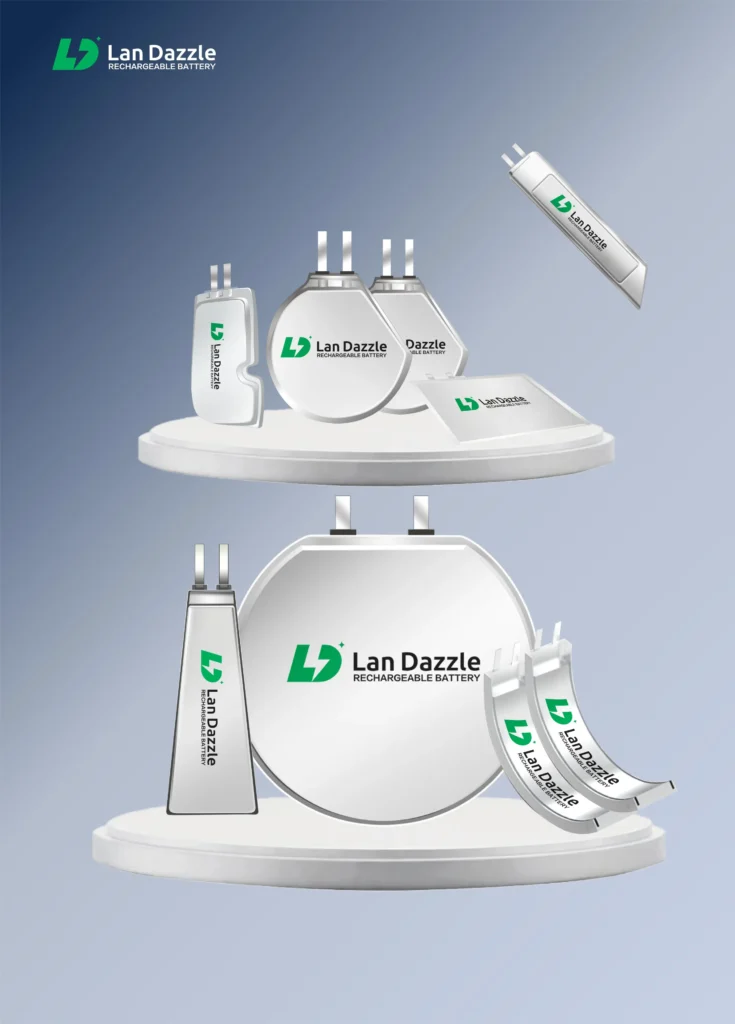
- Shape: L-shaped, U-shaped, C-shaped, curved, round, or irregular
- Capacity and energy density
- Operating voltage
- Discharge rate (C-rate)
- Operating temperature
- PCM/BMS and NTC
- Connectors and wires
- Charging requirements
Before contacting manufacturers, define your product’s space, electrical, and performance requirements.
What Types of Custom Battery Manufacturers Are Available?
Not every supplier offering “custom batteries” has the same capabilities. They can generally be divided into three categories.
1. Standard Battery Pack Assembler
These companies mainly use standard cells and assemble them into battery packs. Their services may include:
- Standard cells
- Wiring
- Connectors
- BMS/PCM
- Packaging
They are generally suitable for standard battery packs or simple customization based on existing cells.
2. Battery Pack Customization Company
These companies can customize the battery pack itself, including:
- Pack dimensions
- Connectors
- BMS
- Wires
- Housing
However, the cells inside the pack may still use standard specifications. If you only need changes to the pack structure, interface, or protection system, this type of supplier may be sufficient.
3. Custom Cell Manufacturer
A custom cell manufacturer can participate in battery design at the cell level, including:
- Dimensions
- Shape
- Electrode configuration
- Capacity
- Chemistry
- Thickness
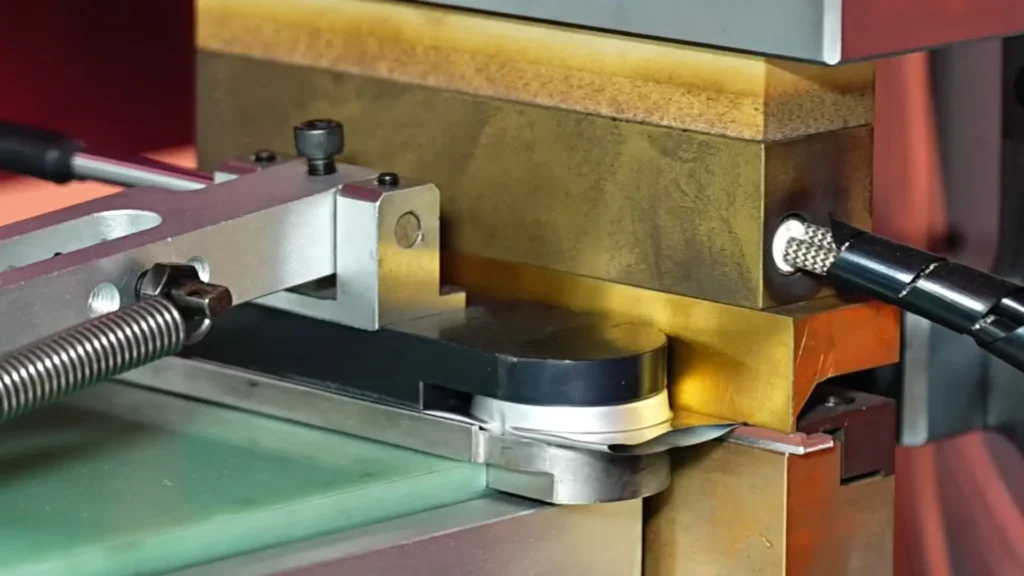
- Manufacturing process
If your product requires an ultra-thin, curved, ultra-narrow, or highly irregular battery, cell-level customization can be especially important.
How Can You Evaluate a Manufacturer’s Engineering Capability?
Factory size alone does not determine custom battery capability. You should also look at whether the manufacturer has:
- Battery and cell engineers
- Mechanical engineers
- NPI engineers
- CAD/3D drawing review capabilities
- Battery structure design capabilities
- Prototype development capabilities
A typical development process should cover:
Requirements → Design → Feasibility Review → Prototype → Testing → Pilot Production → Mass Production
The ability to identify engineering problems early can be more important than the size of the factory itself.
Can the Manufacturer Handle Custom-Shaped and Ultra-Thin Batteries?
For smart glasses, smart rings, medical patches, smart cards, and other compact devices, battery geometry can directly affect product design.
For example:
- Smart rings: curved or narrow batteries
- Smart glasses: long, thin batteries
- Medical patches: ultra-thin batteries
- Smart cards: large-area, thin batteries
- IoT devices: irregularly shaped batteries
Instead of asking only:“What battery sizes do you offer?”
A more useful question is:“How closely can the battery be designed around our available space?”
True customization means designing the battery around the product’s constraints rather than forcing the product to accommodate a standard battery.
Which Battery Performance Requirements Should You Evaluate?
Different applications require different battery characteristics.
- Energy density determines how much energy can be stored within a given space and is particularly important for wearables and portable devices.
- C-rate affects the battery’s charge and discharge capability and is more important for high-power applications such as drones and robotics.
- Low-temperature performance matters for outdoor, industrial, and low-temperature applications.
- Cycle life affects long-term capacity retention and product service life.
- Therefore, do not compare manufacturers based on a single specification. A battery with higher energy density is not necessarily the right choice for every application.
What Safety Tests and Certifications Should You Check?
Custom batteries should undergo appropriate performance and safety validation. Common tests may include:
- Capacity
- Internal resistance
- Charge/discharge performance
- Cycle life
- Overcharge
- Over-discharge
- Short circuit
- Thermal performance
- Mechanical testing
You should also confirm whether the relevant certifications apply to the specific battery model, such as:
- UN38.3
- IEC/CB 62133
- UL
- RoHS
- REACH
Do not assume that a manufacturer’s general certification automatically applies to your specific custom battery.

How Should You Evaluate Prototyping and NPI Capabilities?
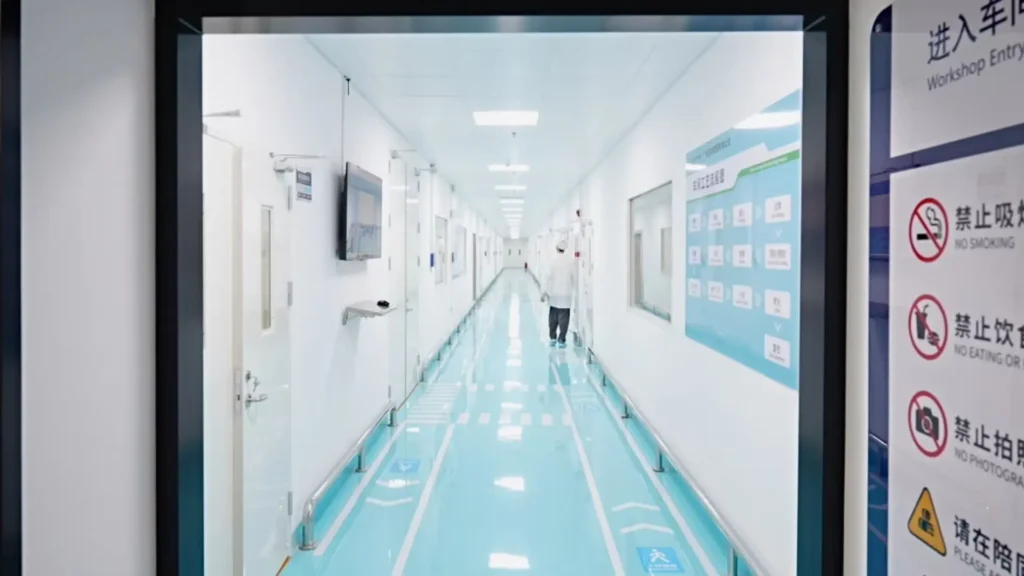
For a custom battery project, it is important to understand how quickly a manufacturer can move from drawings to prototypes.
Ask questions such as:
- How quickly can you review CAD drawings?
- What information is required for a quotation?
- How long does prototype development take?
- What tests are included with the prototypes?
- Do you support pilot production?
- What is the typical mass-production lead time?
Also remember:
Being able to make a prototype does not mean being able to manufacture it consistently at scale. Prototype development demonstrates feasibility. Mass production tests consistency, yield, quality, and delivery capability.
How Can You Check a Manufacturer’s Mass Production and Quality Control?
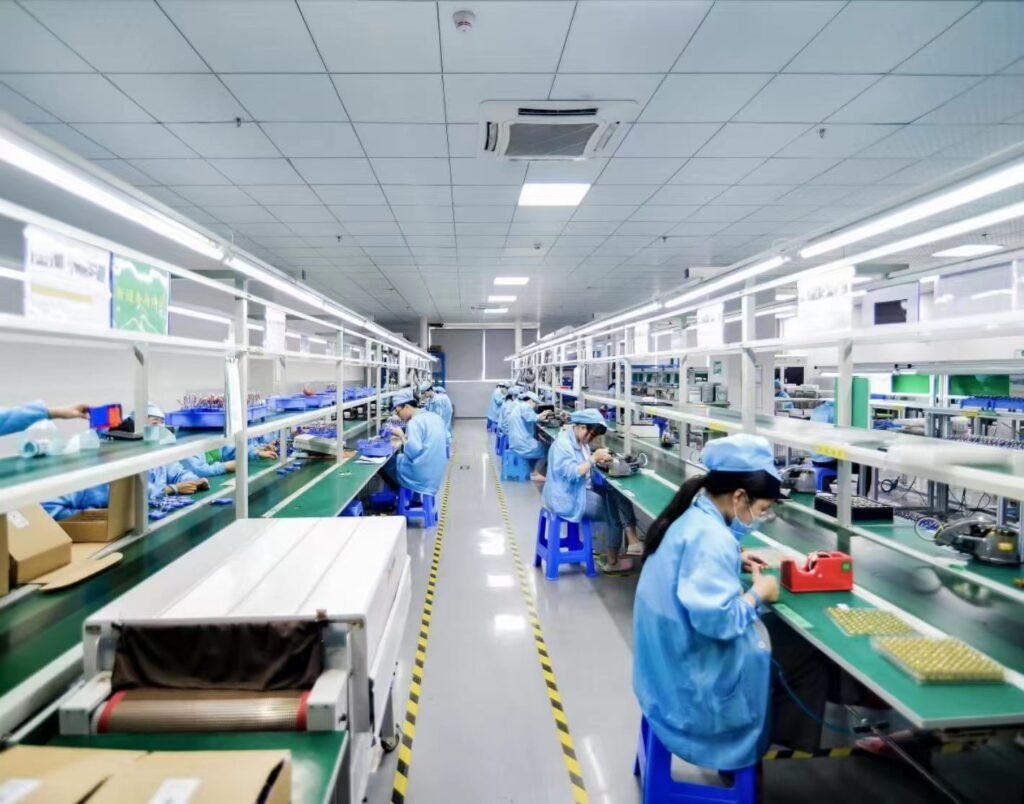
Before moving into mass production, understand how the manufacturer maintains product consistency.
Key areas include:
- Production capacity
- Automation
- Incoming inspection
- Process control
- Final inspection
- Product traceability
- Yield management
- Capacity scalability
For custom batteries, dimensions, capacity, internal resistance, and safety performance all need to remain consistent.
Why Should You Compare Total Cost Instead of Battery Price?
The quoted battery price is only one part of the total project cost. Other costs may include:
- Battery unit price
- Tooling
- Engineering fees
- Prototype costs
- Certification
- MOQ
- Shipping
- Rework and scrap
- Lead time
A supplier with a lower unit price may create higher overall costs if development takes longer, engineering response is slow, or mass-production delivery is unreliable. For this reason, compare the total cost of ownership, not just the price per battery.
How Important Is Technical Communication When Choosing a Battery Supplier?
Custom battery projects often involve product, mechanical, electronics, battery, and manufacturing teams. A capable manufacturer should be able to discuss:
- Available space
- Battery geometry
- Capacity targets
- Current requirements
- Charging profile
- Temperature range
- Mechanical constraints
- Safety requirements
- Manufacturing feasibility
For example, if a product requires a thinner battery with higher capacity, the manufacturer should be able to identify potential trade-offs and suggest practical solutions. This is one of the key differences between a basic battery supplier and an engineering-oriented custom battery manufacturer.
Contact Us | Get a Reliable Custom Lithium Battery Solution
As a source manufacturer specializing in custom lithium batteries, we are equipped with a professional R&D team, standardized production workshops, and fully equipped testing laboratories. We provide end-to-end support, from requirement evaluation and battery design to sample testing, mass production, and after-sales service.
We focus on solving complex custom battery needs, including irregular shapes, ultra-thin designs, high-rate discharge, and low-temperature applications.
Our Commitment to You
- Free requirement evaluation with one-on-one support from experienced battery engineers
- Customized battery solutions designed specifically for your application scenario
- Sample production and comprehensive testing, with mass production only after samples are fully approved
- Full technical support throughout the project, fast response to design changes, and proactive risk management
Our goal is to help you move your project forward smoothly, safely, and with confidence.
If you are looking for a reliable custom lithium battery manufacturer, feel free to contact us and submit your requirements. Our engineering team will connect with you promptly and provide a professional solution—working with you to build a product that performs well and lasts.
Email: info@landazzle.com
Whatsapp: +8618938252128