From watches on our wrists, to rings on our fingers, and glasses on our faces, smart wearables are quietly becoming part of our daily lives. They are turning everyday accessories into “digital companions” that can understand us.
And now, the necklace, an accessory people have worn for thousands of years, is quietly waking up. This transformation may hold the key to the next big step in wearable technology.
The Smart Transformation of Everyday Accessories
Smart necklaces are not the first accessories to go smart. Many of the things we wear every day have already made the shift to smart technology.
When the Apple Watch first launched in 2015, some people called it an awkward mix of a watch and a gadget. But by 2022, it had reached 53.9 million units in annual sales, becoming one of the world’s most popular smartwatches. It had also evolved into a kind of “mini health station” that could monitor heart rate and track sleep.
Finland-based Oura started out with crowdfunding. By 2024, it had sold more than 2.5 million rings and reached a valuation of $5.2 billion. Samsung and Apple soon joined the smart ring market as well. In 2024, the global smart ring market grew by 88.4%, showing just how fast the category was taking off.
Ray-Ban and Meta’s smart glasses sold more than 2 million pairs in 2024, while Meta captured more than 60% of the global AI glasses market.
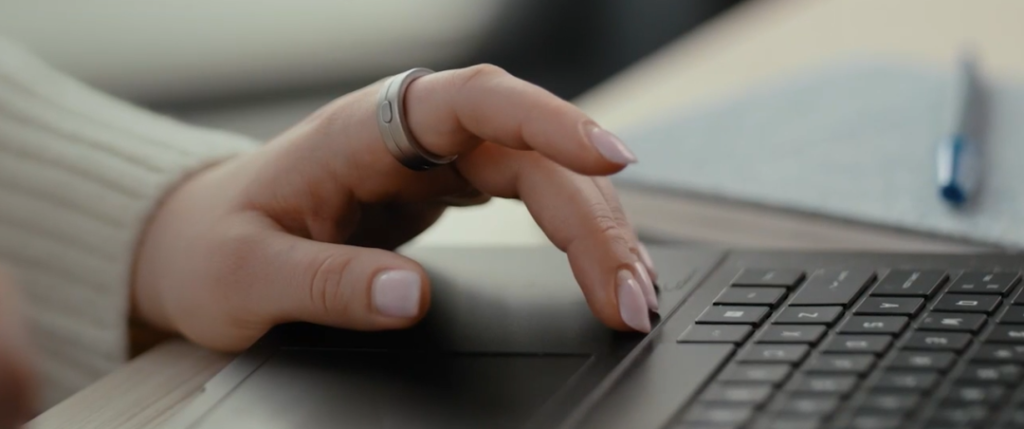
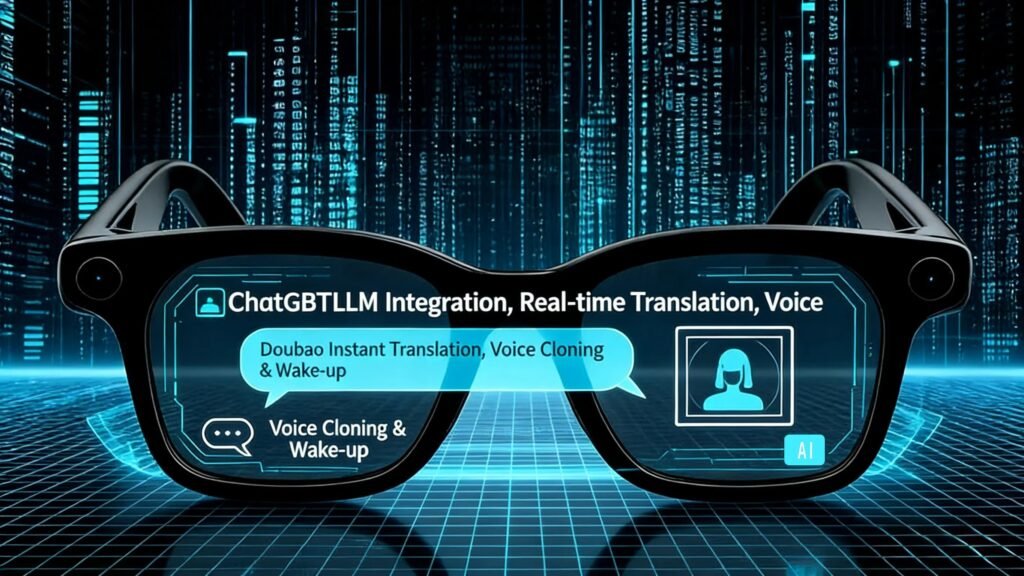
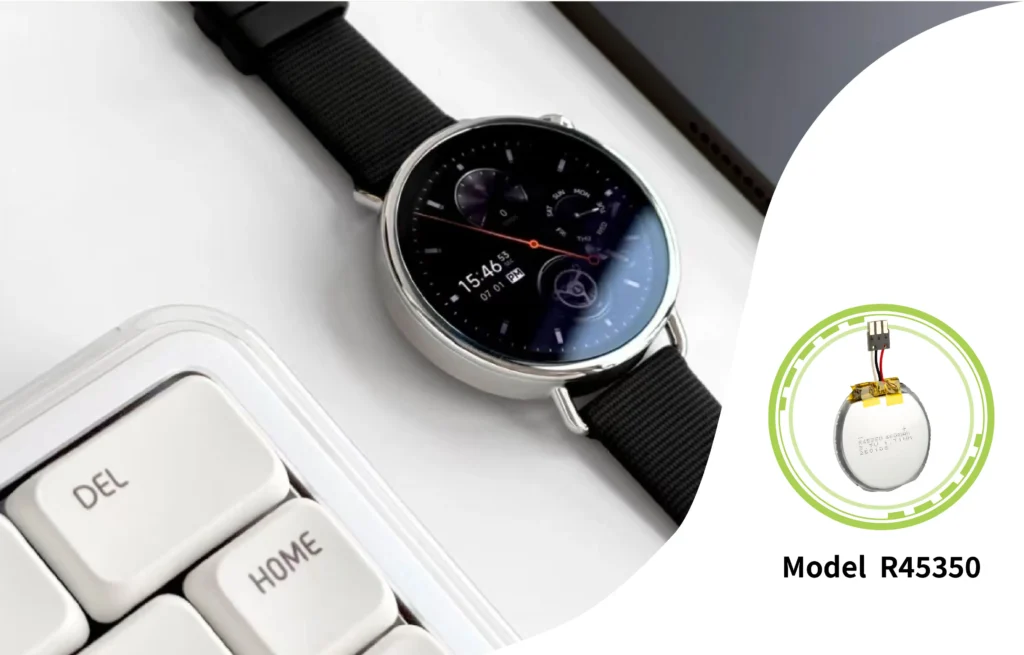
The pattern is simple: when an everyday accessory is worn often, the technology is mature enough, and the experience feels natural, it will eventually become smart. Watches have already made the transition. Rings have too. Glasses are now following the same path. So naturally, the next one could be the necklace.
Why Could Smart Necklaces Become the Next Big Thing?
They Solve Real Problems for Everyday Users
The rise of smart necklaces is not just a marketing trend. They address some of the most important needs of modern users: convenience, health, and safety. More importantly, they solve real problems in everyday life.
Pain Point 1: Other Wearables Have Their Limitations
Smartwatches have to be worn on the wrist. For business professionals who wear traditional watches at work or at formal events, wearing both can be inconvenient. Smart rings are small and easy to wear, but blood flow in the fingers is lower than in the wrist, which can affect the accuracy of some health measurements.
Smart glasses also have limits. They may not fit every face shape or work well for every type of eyesight, which means they are not suitable for everyone.
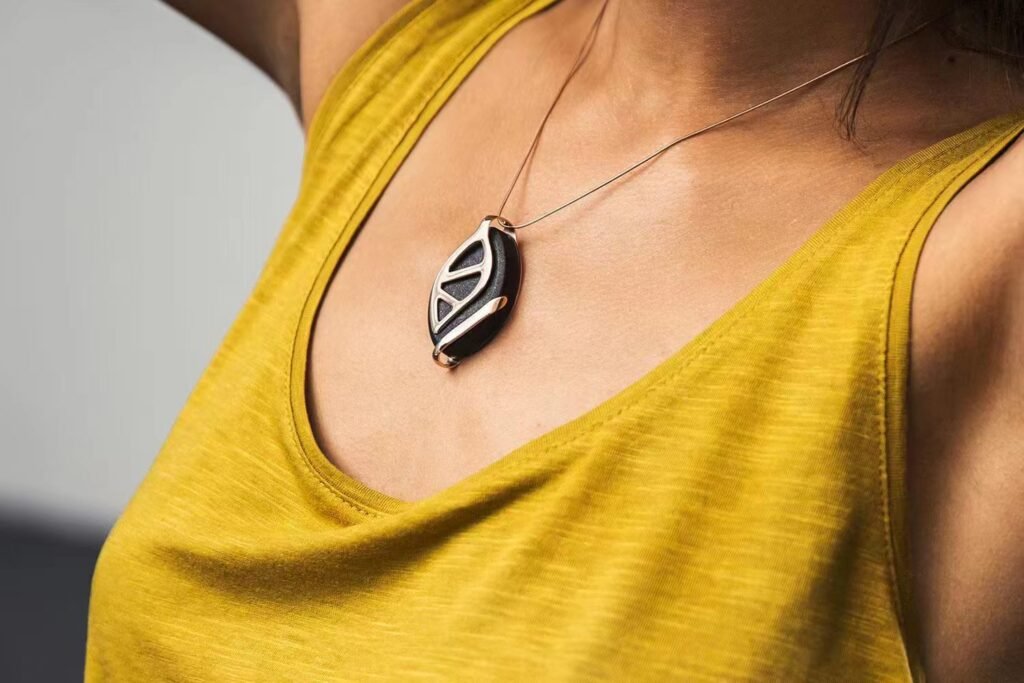
A smart necklace, however, sits on the chest, close to the heart. This can provide a more stable position for health monitoring. At the same time, it does not depend much on face shape, eyesight, or what users are wearing, making it suitable for more people and more situations.
Pain Point 2: Health Monitoring Needs to Be “Always On”
Many people only wear fitness bands when they exercise, so they cannot provide truly continuous health monitoring. Yet hidden health risks often appear during everyday life — such as work stress, poor sleep, or an unusually high resting heart rate. These signals can easily be missed by devices that are not worn all day.
A smart necklace can work like a “24/7 health assistant.” Once worn around the neck, it can track heart rate, sleep, activity levels, and other health data without requiring users to constantly interact with it. The data can then be synced to a smartphone app, helping users keep track of health signals they might otherwise never notice.
Pain Point 3: Safety Is an Overlooked but Real Need
Safety may be one of the earliest reasons smart necklaces became useful. For example, the InvisaWear smart necklace in the U.S. looks like an ordinary pendant. In an emergency, users can double-tap it to send their location to five preset contacts and connect with the ADT security system to alert the police.
This kind of discreet protection can be especially useful for women living alone, older adults, and outdoor workers. Compared with a smartwatch or wireless earbuds, a necklace can offer a more discreet and convenient way to call for help, helping users feel safer without making the safety device obvious.
Pain Point 4: Looking Good and Being Useful Are Both Essential
In 2024, China’s jewelry and accessories market reached RMB 820 billion. Consumers are no longer looking for accessories that simply look good.
Smart necklaces sit at the intersection of fashion and technology. They can look like stylish jewelry while also working as a useful personal assistant. In other words, they bring together style and function, giving users the best of both worlds.
Smart Necklaces Are Not Just Another Smartwatch
Many people think of a smart necklace as a “smaller version of a smartwatch.” But that is not really the case.
Smartwatches focus more on active interaction. They are almost like small smartphones worn on the wrist. Smart necklaces, on the other hand, are designed for “invisible companionship.” They can work without a screen or constant notifications, representing a shift in wearable technology from being a “tool” to becoming a more natural part of everyday life.
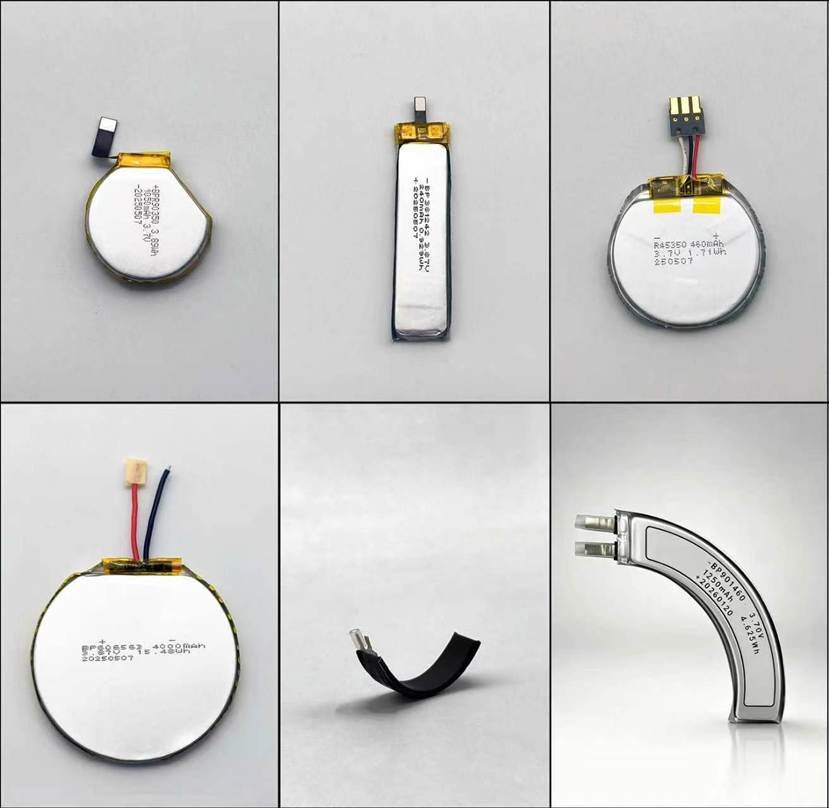
Because smart necklaces have limited internal space, battery size and shape also matter. Custom-shaped and ultra-thin batteries can help manufacturers make better use of every bit of space without making the necklace bulky.
The neck also offers advantages that other wearable devices cannot easily replace. It is close to the heart and airways, making it a useful location for collecting heart rate and breathing data. This could be especially valuable in areas such as remote health monitoring and assisted healthcare.
Smart necklaces also have a stronger emotional connection. A necklace can be a gift between partners, a family keepsake, or something passed down through generations. Compared with many other wearable devices, this emotional value can create stronger user loyalty and give smart necklaces more room for premium pricing.
The Bigger Picture: How Smart Wearables Are Expanding
The history of smart wearables is, in many ways, the story of technology finding new places to fit into our bodies: from the wrist and ears to the eyes and fingers, and now to the neck.
Every new body area that becomes “smart” usually meets three conditions: there is a real user need, the technology is small enough to fit, and there is a group of people whose needs have not been fully served.
Smartwatches took about a decade to educate the market. Smart rings and smart glasses have needed less time to gain attention. Smart necklaces are now starting from a stronger position, standing on the shoulders of these earlier products.
Looking ahead, AI could make smart necklaces even more useful. They could provide personalized health advice and services, such as customized workout plans and nutrition guidance. As AI adds more features to smart necklaces, battery technology will also need to keep up, providing more energy without adding extra size or weight.
Smart necklaces could also come with replaceable pendants, allowing users to change the style while keeping the smart features. This could turn the necklace into a true piece of “smart jewelry” that combines fashion, technology, and everyday usefulness.
Conclusion: The Next Wearable May Be Around Your Neck
Smart necklaces are more than just another wearable device. They bring together health monitoring, personal safety, fashion, and invisible interaction in a form that people already know how to wear.
The bigger opportunity is that necklaces can offer something different from smartwatches, smart rings, and smart glasses. They do not need to compete for the same space. Instead, they can create a new way for technology to stay with us quietly throughout the day.
But turning this idea into a comfortable, reliable product will require more than better sensors and smarter AI. Battery size, energy density, shape, weight, and battery life will all play a key role.
As smart necklaces become smaller and more capable, battery technology will need to become more flexible as well.
Build the Battery Behind Your Next Wearable
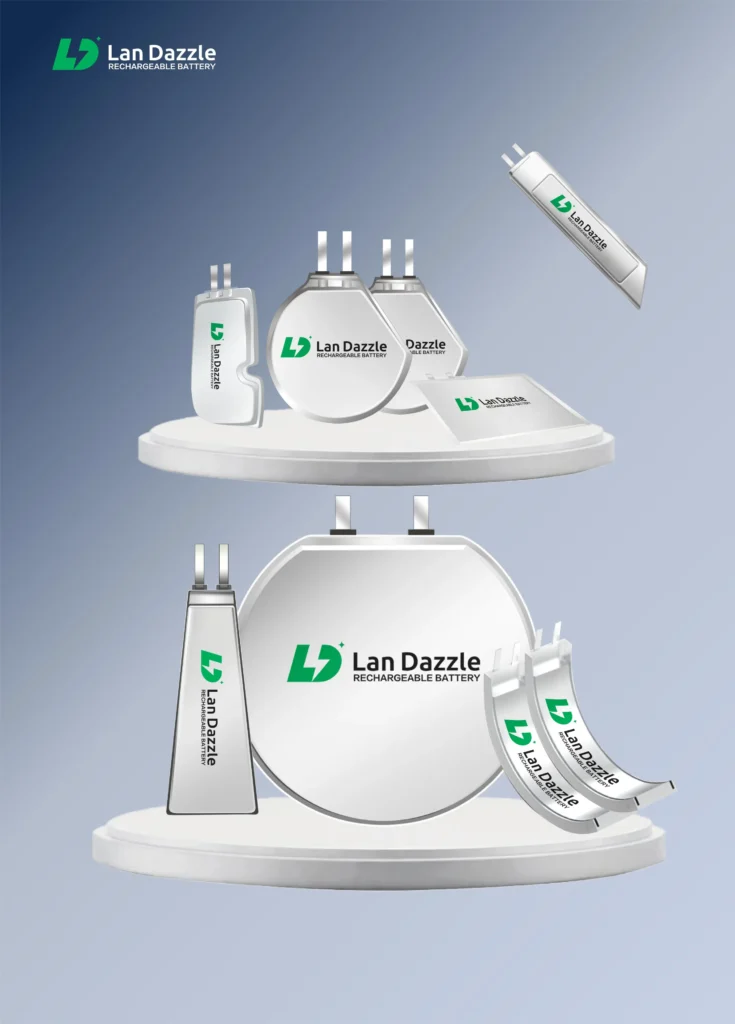
At LanDazzle, we develop custom lithium polymer batteries for smart wearables, including ultra-thin, curved, and irregular-shaped designs. By making better use of the limited space inside a wearable device, custom batteries can help product designers achieve a better balance between battery life, size, weight, and comfort.
If you are developing a smart necklace, smart ring, AI glasses, or another compact wearable, talk to LanDazzle about a custom battery solution for your next design.
Email: info@landazzle.com
Whatsapp: +8618938252128