Why does a battery’s actual runtime always seem shorter than what manufacturers advertise? This article starts with the battery’s underlying specifications to explain the real reasons behind the gap in battery life—and offers practical tips to help you identify the difference.
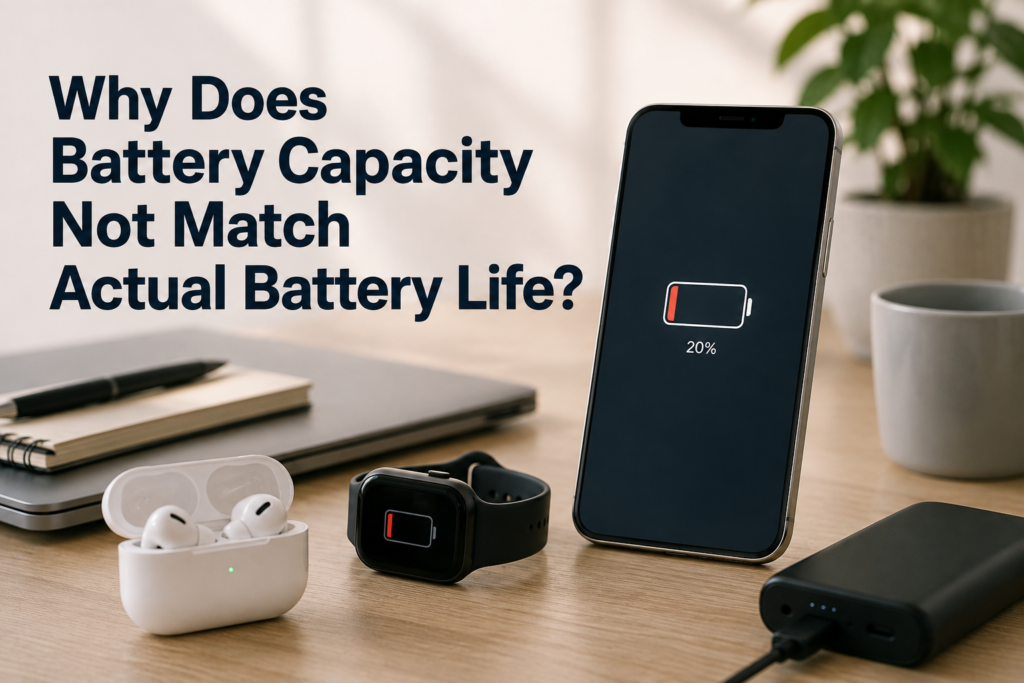
Battery Life Is About More Than Just “Capacity”
When choosing a battery, many people focus on just one number: capacity (mAh). While capacity is certainly important, it is far from the only factor that determines battery life. Actual runtime depends on a combination of interconnected parameters, including capacity, voltage, energy, weight, C-rate performance, and internal resistance.

1. Capacity and Energy: The Two Most Basic Parameters
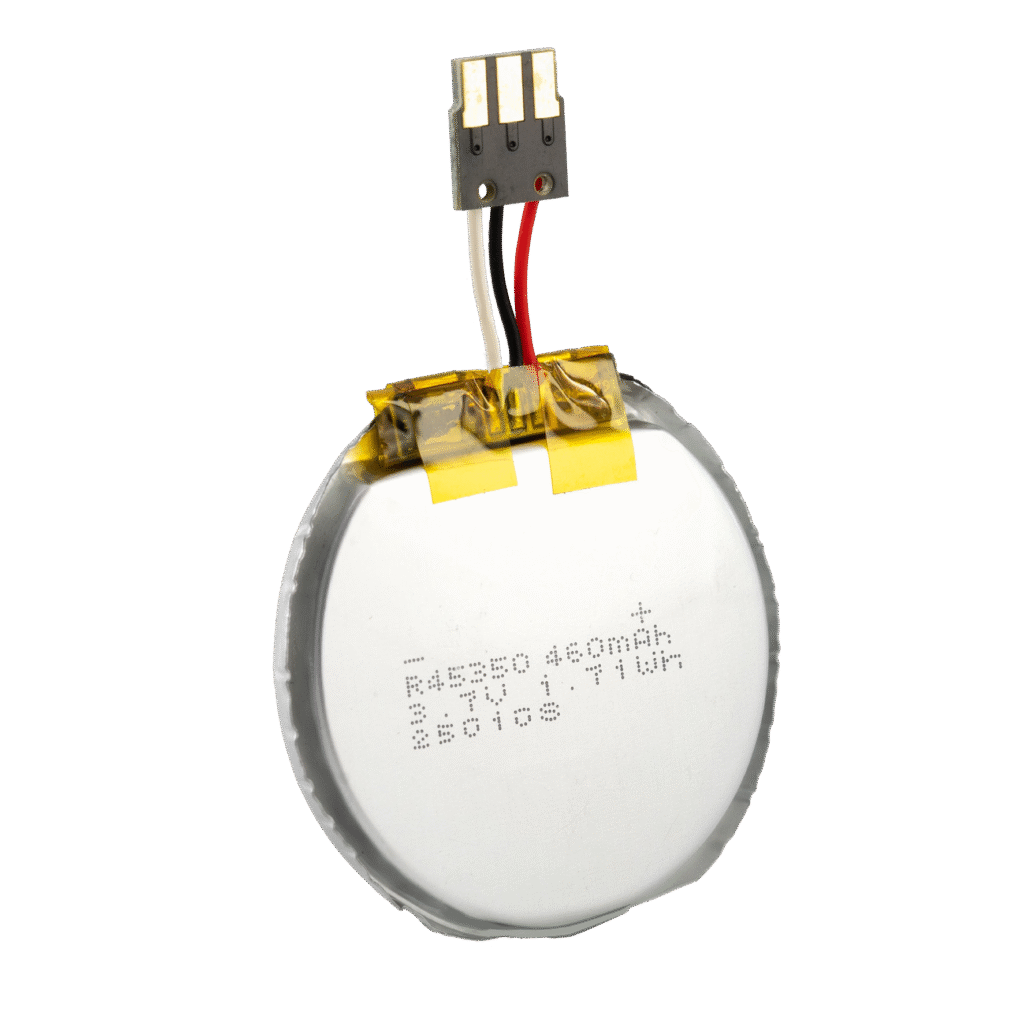
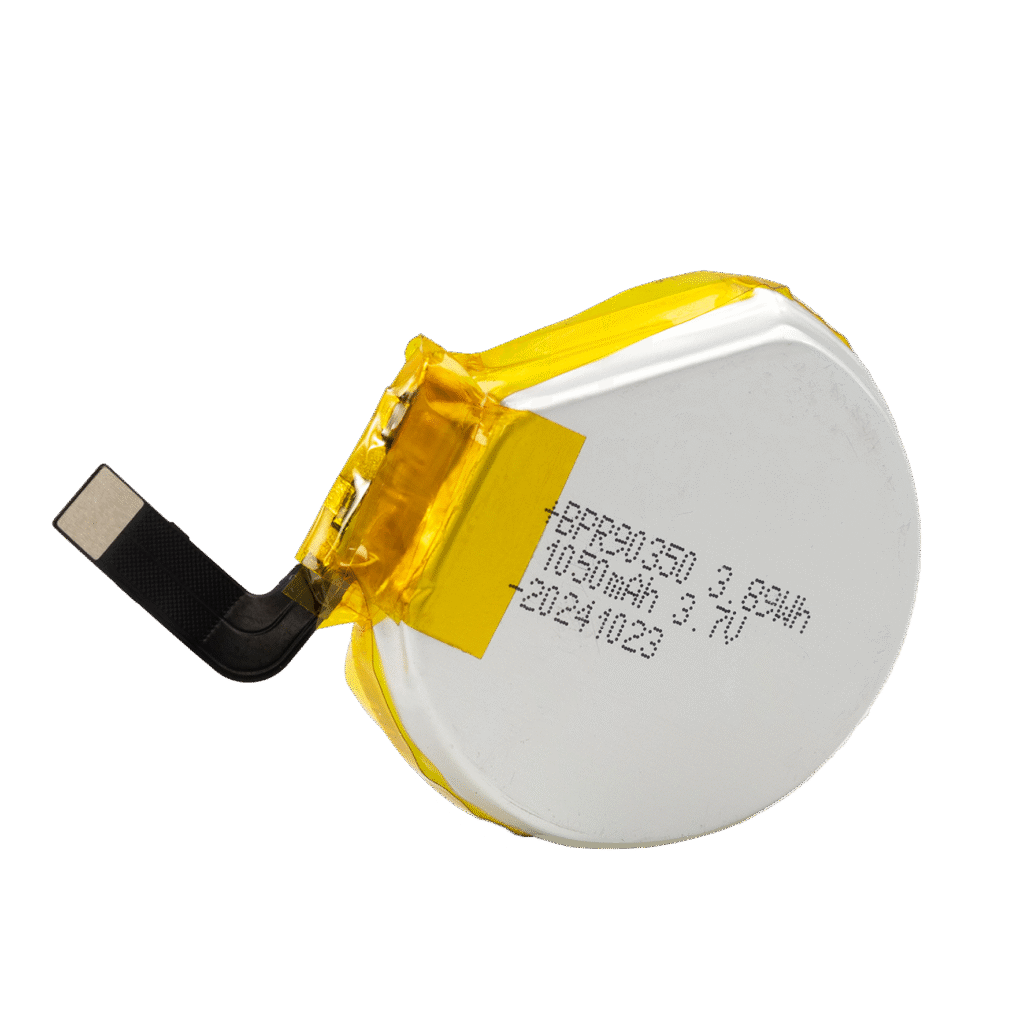
Capacity (mAh) indicates how much electric charge a battery can deliver, while energy (Wh) represents the total amount of energy the battery can provide. The relationship between them is:
Energy (Wh) = Capacity (Ah) × Nominal Voltage (V)
For example, a 3000mAh/11.1V battery has an energy capacity of 33.3Wh, while another 3000mAh/14.8V battery provides 44.4Wh. Although both batteries have the same capacity, the latter stores 33% more energy because it operates at a higher voltage.
In practical terms, energy is a more meaningful parameter for determining runtime. Take a drone as an example. Its flight essentially depends on the motors doing work against gravity and aerodynamic resistance. The more usable energy the battery can provide, the longer the drone can potentially stay in the air. With the same capacity, a higher voltage platform means more energy and, under comparable operating conditions, potentially longer runtime.
This is also why, at the same capacity, lithium cobalt oxide (LCO) batteries—with a nominal voltage of around 3.7V and a charging cutoff above 4.3V—can offer longer runtime than some NMC batteries, which typically have a nominal voltage of 3.6–3.7V and a charging cutoff of 4.2V. The higher voltage platform allows the battery to deliver more total energy.
2. Weight: The Hidden Battery Life Killer
Battery weight can also have a significant impact on runtime. For drones, for example, battery weight directly affects the aircraft’s total takeoff weight. During hovering, the drone’s lift must equal its weight. The heavier the drone, the more power the motors need to generate, which means higher current consumption and faster battery drain.
A battery designed for higher capacity may require thicker electrode materials, while a battery optimized for high C-rate performance may use more conductive additives. Both approaches can increase the battery’s overall weight.
Suppose two batteries have the same capacity, but one weighs 300g and the other 350g. The additional 50g forces the motors to continuously produce more power to overcome the extra weight. Under comparable operating conditions, this additional weight could potentially reduce flight time by 10%–15%.
That is why energy density (Wh/kg) is such an important metric when evaluating battery performance. It tells you how much energy a battery can store and deliver for a given weight.
In simple terms: the higher the Wh/kg, the more energy you get from every gram of battery.
3. Internal Resistance: The Hidden Source of Energy Loss
A battery’s internal resistance is the resistance that current encounters as it flows through the battery. The higher the internal resistance, the greater the heat loss during discharge. This loss can be calculated using:
Power Loss = I² × R
As a result, less of the battery’s stored energy is actually delivered to the motor or other load.
For example, consider two batteries with internal resistances of 10 mΩ and 20 mΩ, respectively. At a discharge current of 20 A, the first battery generates 4 W of internal power loss, while the second generates 8 W—twice as much wasted heat.
This heat not only reduces energy efficiency but can also accelerate battery degradation over time. Even if two batteries have exactly the same capacity and voltage, the battery with lower internal resistance can deliver energy more efficiently under the same load conditions. Less energy is lost as heat, leaving more usable energy available to power the device.
4. C-Rate Performance: The Balance Between Power and Runtime
The C-rate indicates a battery’s maximum continuous discharge capability. For example, a 3000mAh/10C battery can theoretically deliver a maximum continuous discharge current of 30A.
Let’s take a drone motor as an example. If the motor requires 25A at full throttle, a 10C battery can technically meet the demand, but it is already operating close to its limit. Under such a high load, the battery voltage can drop significantly due to the voltage drop caused by internal resistance:
Voltage Drop = I × R
As the voltage drops, the power actually delivered to the motor decreases, which can result in noticeably weaker performance—the drone may feel like it “lacks power” during aggressive acceleration or full-throttle operation.
By comparison, a 20C battery can handle the same current demand with greater headroom. Under the same load, its voltage can remain more stable, allowing the motor to receive more consistent power and delivering noticeably better flight performance.
However, a higher C-rate is not always better.
Batteries designed for high C-rate performance often require thinner electrodes, higher levels of conductive additives, and more sophisticated manufacturing processes. These design choices can improve high-current performance and reduce voltage sag, but they may also reduce energy density.
In other words, battery design is always a trade-off between energy density, power density, weight, and runtime. The best battery is not necessarily the one with the highest C-rate, but the one whose performance is properly matched to the device’s actual power requirements.
Market Issues and Practical Ways to Identify Battery Performance
After discussing the reasonable differences between batteries, it is equally important to understand the unreasonable differences. Battery specifications are not always as transparent as they appear, and misleading claims do exist in the market.
1. The Current Market Situation
Some manufacturers or sellers may exaggerate specifications such as capacity, C-rate, and energy density.
For example, a battery advertised as 3000mAh may actually provide only 2500mAh under standard testing conditions. Similarly, a battery marketed as 20C may experience significant voltage sag at currents far below its claimed maximum discharge capability.
In more serious cases, some sellers may misrepresent the battery chemistry—for example, selling an NMC battery as a lithium cobalt oxide (LCO) battery to justify a higher price, or mixing LCO and NMC cells without clearly informing customers. This is why battery specifications should not be evaluated based on a single number alone.
2. The Most Reliable Method: Test the Battery
If you have access to professional equipment, the most reliable way to verify battery specifications is to perform a complete charge-discharge test using a battery analyzer or battery tester.
Several key parameters can be measured:
- Actual capacity: Discharge the battery at a constant current of approximately 0.5 C–1C until it reaches the specified cutoff voltage, then record the total amount of charge delivered.
- Actual energy: Calculate the total energy delivered during discharge by integrating voltage × current over time.
- Internal resistance: Measure internal resistance using an AC impedance meter or a DC voltage-drop method.
- C-rate performance: Discharge the battery at its rated current and monitor whether the voltage remains within the expected operating range. Comparing the measured results with the manufacturer’s specifications can reveal significant discrepancies between advertised and actual performance.

3. No Testing Equipment? Look at Real-World Performance
Most consumers do not have access to professional battery testing equipment. Fortunately, you can still get a preliminary idea of a battery’s actual performance by observing how the device behaves during everyday use.
Compare actual runtime:
Under similar usage conditions, a battery that consistently delivers significantly shorter runtime than comparable products deserves closer attention. For example, if a device with a nominal 5000mAh battery consistently lasts much less than similar devices under comparable workloads, the battery’s actual usable capacity may be worth investigating.
However, runtime alone cannot prove that a battery has been mislabeled. Factors such as screen brightness, processor load, network signal strength, software optimization, ambient temperature, and user behavior can all have a major impact on power consumption.
Watch for performance under heavy loads:
Pay attention to what happens when the device is under high power demand, such as during gaming, video recording, AI processing, GPS navigation, or fast charging.
If the battery level drops unusually quickly, the device experiences sudden performance degradation, or it shuts down unexpectedly under heavy loads, the problem may be related to high internal resistance, insufficient power capability, or battery aging.
Look for abnormal battery percentage drops:
A healthy battery typically shows a relatively consistent decline in its state of charge. If a device suddenly drops from 50% to 20%, or shuts down while still showing 10%–20% battery remaining, the battery’s actual usable capacity may have deteriorated significantly.
Compare the same model:
For ordinary users, comparing identical devices can be one of the simplest ways to identify potential battery problems. If two devices of the same model and similar age show dramatically different battery life under similar usage conditions, it may be worth checking the battery’s health rather than simply looking at the rated mAh capacity.
Important: Real-world runtime alone cannot prove that a battery is falsely advertised. Differences in device power consumption, software optimization, temperature, battery aging, and usage patterns can all affect runtime.
4. Choose a Battery Based on Your Needs, Not Just the Numbers
Once you understand the basic battery specifications, the most important thing when choosing a battery—or a battery-powered device—is not finding the product with the highest specifications, but finding one that matches the actual requirements of the application.
Step 1: Determine how much runtime you actually need.
Instead of simply asking, “How many mAh does this battery have?”, consider:
- What is the device’s average power consumption?
- How long does it need to operate between charges?
- Does it need to handle high-power loads for extended periods?
- Are there strict weight or size limitations?
For smartphones, wireless earbuds, smartwatches, smart glasses, IoT devices, and other electronics, energy in Wh and actual runtime can be more meaningful than comparing mAh alone.
Step 2: A higher C-rate is not always better.
If a device does not require high-current output, there is little reason to pay extra for an extremely high C-rate. High-C-rate batteries often require optimization of electrode structure, conductive additives, and material composition. These design choices can improve power delivery and reduce voltage sag, but they may also come at the expense of energy density.
In other words: Higher C-rate ≠ Longer Battery Life
Step 3: Be cautious of products with “perfect” specifications.
Battery performance is fundamentally a balancing act between several competing factors:
Energy Density ↔ Power Density ↔ Cycle Life ↔ Weight ↔ Cost
If a battery claims to offer all of the following at the same time:
- Extremely high capacity
- Extremely high C-rate
- Extremely high energy density
- Extremely long cycle life
- Extremely low price
it is worth taking a closer look.
These performance characteristics usually involve technical trade-offs. When every specification appears to be unusually impressive, consumers should pay more attention to the testing standards, test conditions, and independent test results rather than relying solely on marketing claims.
5. Lithium Cobalt Oxide vs. NMC: Don’t Pay More Than You Need
Two commonly used cathode chemistries in lithium-ion batteries are lithium cobalt oxide (LCO) and nickel manganese cobalt (NMC).
The main advantage of LCO batteries is their higher voltage platform. LCO cells typically have a nominal voltage above 3.7V, with a charging cutoff voltage generally above 4.3V. Some advanced LCO cells can reach 4.45V.
Because of the higher operating voltage, an LCO battery can provide more energy at the same rated capacity, potentially resulting in longer runtime.
However, LCO batteries generally have higher raw material costs, which can make them more expensive.
NMC batteries, by comparison, typically have a charging cutoff voltage of around 4.2V. Their voltage platform is slightly lower, so at the same rated capacity, they generally provide slightly less energy than LCO batteries. However, NMC chemistry offers a lower cost and can provide better overall value for applications where the highest energy density is not the primary requirement.
How Can You Tell the Difference?
One simple way to identify the battery chemistry is to check the cell charging cutoff voltage.
- 4.3V or higher — typically indicates an LCO-based battery system, such as 4.3V, 4.35V, 4.4V, or 4.45V cells.
- 4.2V — commonly indicates an NMC-based battery system.
However, charging voltage alone should not be treated as definitive proof of the cathode chemistry. Different battery formulations and manufacturers may use different voltage specifications. For a reliable identification, it is better to check the manufacturer’s technical documentation, datasheet, or independent test results.
The key takeaway is simple: don’t pay a premium for a battery specification you don’t actually need. Choose the chemistry and voltage platform according to the device’s requirements, desired runtime, power demands, size constraints, and cost target.
Conclusion
Battery runtime is the result of multiple factors working together, including capacity, voltage, internal resistance, weight, C-rate performance, and energy density. A battery specification that is accurately labeled does not necessarily guarantee the same real-world experience, but misleading specifications and low-quality battery products do exist in the market.
As a consumer, understanding the trade-offs between different battery parameters and knowing how to evaluate basic battery performance can help you make more informed decisions in an increasingly complex market.
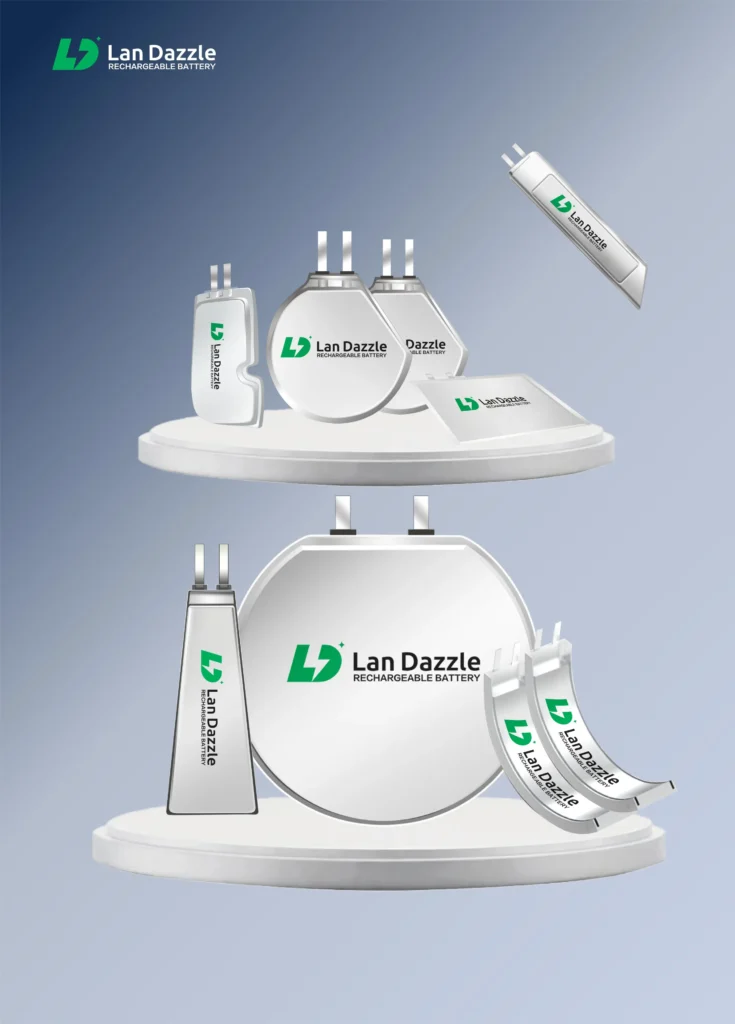
If you are developing a device that requires a custom battery solution, don’t let standard battery sizes limit your product design. From ultra-thin and ultra-narrow batteries to curved and irregularly shaped LiPo cells, the right battery can be designed around your device’s specific space, energy, and power requirements.
Looking for a custom battery for your next product? Contact LanDazzle to discuss your requirements and explore a battery solution tailored to your application.
Email: info@landazzle.com
Whatsapp: +8618938252128