
alt="" /> Articles On Lithium Battery Technology

Articles on Lithium Battery Technology

lipo battery specifications

Complete Guide to LiPo Battery Specifications

Lithium Polymer batteries have become the preferred power source for modern electronic devices. Their lightweight design, high energy density, and flexible form factor make them ideal for applications where space, weight, and performance are critical. However, when choosing a LiPo battery, understanding its specifications is essential. Terms like voltage, capacity, discharge rate (C-rating), and size are more than just numbers on a label — they determine how your device performs, how long it runs, and how safely it operates. In

lipo battery voltage

What Is LiPo Battery Voltage?

LiPo batteries have become the preferred power source for modern electronic devices — from drones and robotics to electric tools and wearable technology. Their compact size, lightweight design, and high discharge rate make them ideal for high-performance applications. However, one critical factor that determines how well a LiPo battery performs is voltage. Understanding LiPo battery voltage is essential for anyone who designs, uses, or customizes lithium batteries. Voltage directly affects power output, efficiency, and the overall lifespan of your battery

small lipo battery

How to Choose the Best Small LiPo Battery for Your Product?

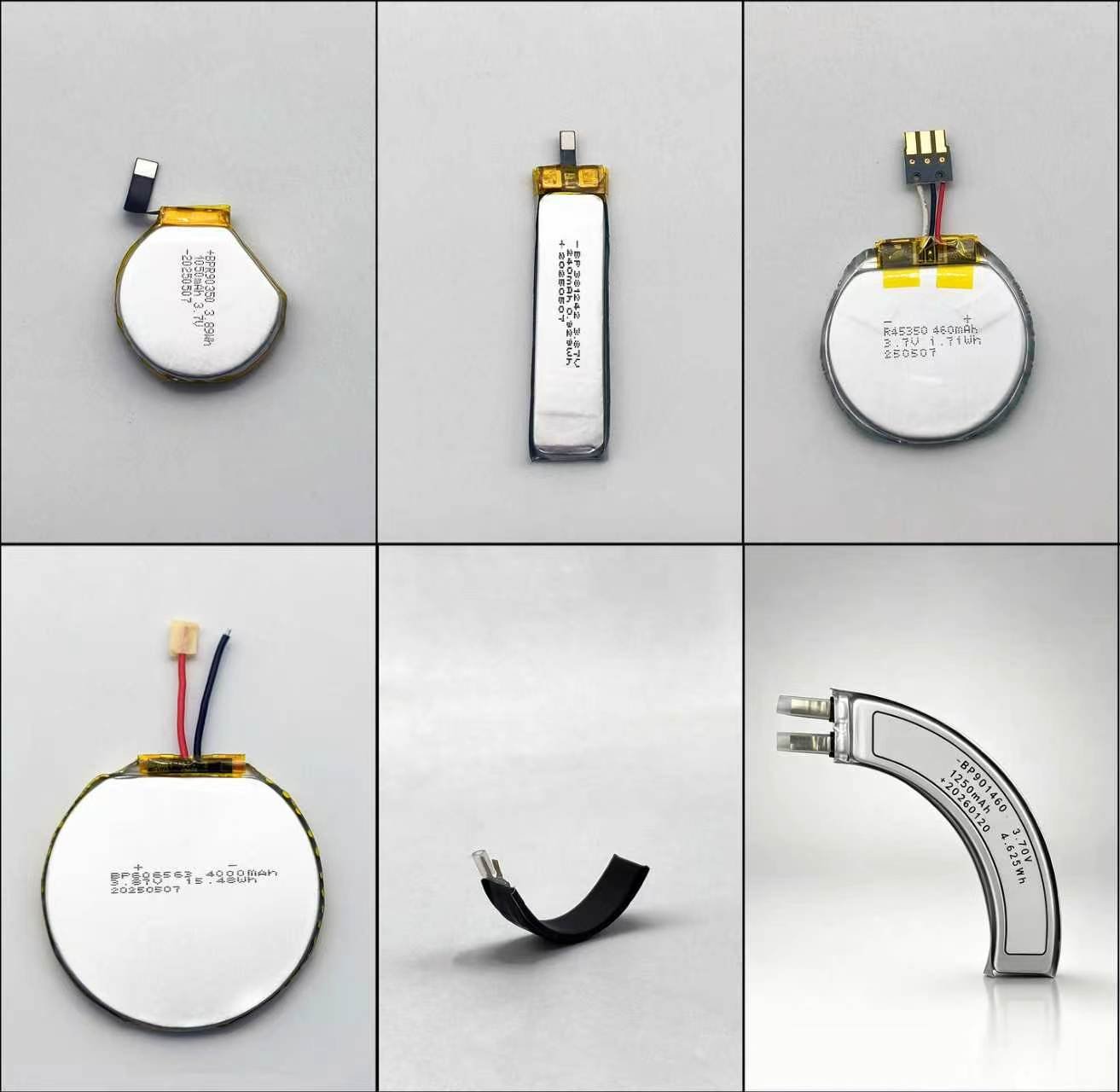
Today, electronic products are getting smaller and smaller, making power solutions more important than ever. Whether it’s wearable health monitors, smart door locks, drones, or IoT sensors, designers face the same problem at the start: less and less space, but higher and higher demands for batteries. Devices need batteries that are lighter, thinner, stable, safe, and long‑lasting. In real engineering, not many solutions can meet all these requirements at the same time. That is why small LiPo batteries are widely

pouch battery cell

What is a Lithium Polymer Battery Cell?

What is A Lithium Polymer Battery? Lithium polymer batteries, more commonly known as LiPo batteries, belong to the family of rechargeable lithium batteries. They’re well-regarded for being slim, lightweight, and highly customizable in both shape and size. This makes them ideal for compact devices with limited internal space—where the battery has to fit around the product design, rather than forcing the design to accommodate a standard battery. Nearly all LiPo batteries adopt a soft pouch-style structure. Without the need for

thin film lithium-ion battery for smart card

Thin Film Lithium-ion Battery VS Lithium-ion Battery

Today, almost all electronic products rely on lithium-ion batteries. From the phones and watches we use every day to drones and electric vehicles, their performance ultimately comes down to the battery. But one clear trend has emerged in recent years: devices are getting smaller and thinner, while packing in more and more functions. This creates a real challenge for batteries. They must not only hold plenty of power, but also be thin, lightweight, and able to fit neatly into product

thin battery applications

Thin Battery Solutions for Wearable Devices

As wearable technology develops, devices keep getting smaller, smarter and more powerful every year. From fitness trackers and smart watches to health monitors and smart glasses, these small products all rely on one key component: the battery. For wearable devices, a battery needs to do more than just work. It has to be thin and light, with steady and long-lasting battery life. Most importantly, all these features must fit into very limited space inside the device. However, traditional lithium batteries